Legal Technology for Nonprofits: AI Contracts, Data Control, and Vendor Risks
When you’re using legal technology, software tools that automate or support legal processes like contract review, compliance, and risk management. Also known as lawtech, it helps nonprofits handle more with less staff—but only if you know what you’re signing up for. Many organizations jump into AI-powered contract tools because they promise speed and cost savings. But without clear rules, you’re handing over control of your data, your liability, and your mission to a vendor who doesn’t answer to your board.
Large language model contracts, binding agreements with AI providers that define how models are used, who owns the data, and what happens if the system makes a mistake. Also known as LLM enterprise pricing, these deals often hide fees for usage spikes, data storage, or support upgrades. If your nonprofit uses an AI tool to review donor agreements or grant applications, you need to know: Can you pull your data out anytime? What if the model misreads a clause and you lose funding? Who’s liable if it misses a compliance rule? These aren’t theoretical questions—they’re daily risks for nonprofits running on tight budgets.
AI contract management, the practice of using automated systems to draft, review, track, and renew legal documents. Also known as legal AI vendor comparison, this isn’t about replacing lawyers—it’s about giving your team the power to spot red flags before they become lawsuits. The right system flags unusual clauses in a grant agreement. The wrong one silently learns from your past contracts and starts suggesting terms that favor the vendor, not your mission. That’s why accuracy thresholds, data control clauses, and exit strategies aren’t optional add-ons—they’re your first line of defense.
You don’t need a legal team to navigate this. But you do need to ask the right questions before clicking "Agree." What happens to your donor data if the vendor goes under? Can you audit how the AI made a decision? Are there penalties if the system misreads a deadline and you lose a grant? These are the same questions big nonprofits ask—and now, smaller ones need to too.
Below, you’ll find real-world guides on negotiating these deals, comparing vendors, and building safeguards that protect your organization—not just your budget. No jargon. No fluff. Just what works for nonprofits running on limited time and resources.
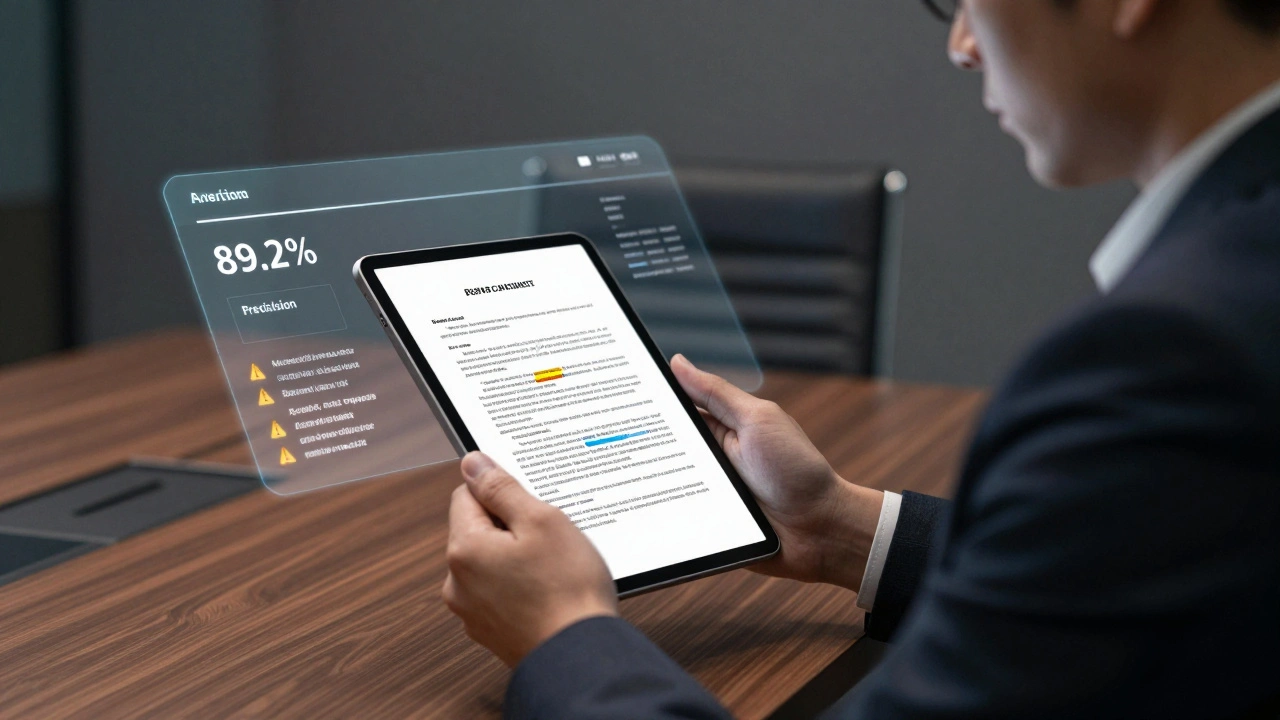
How to Negotiate Enterprise Contracts with Large Language Model Providers for Contract Management
Negotiating enterprise contracts with large language model providers requires clear accuracy thresholds, data control clauses, and exit strategies. Learn how to avoid hidden costs, legal risks, and vendor lock-in when using AI for contract management.
Read More