AI Coding Assistants: Tools That Help Non-Developers Build Real Apps
When you hear AI coding assistants, tools that help people write code using natural language instead of typing syntax. Also known as AI-powered development, they're changing who can build software—no computer science degree needed. You don’t have to be a developer to create a form that collects donor info, automate grant reporting, or build a simple dashboard for your program staff. Tools like GitHub Copilot, an AI pair programmer that suggests code as you type and platforms built for vibe coding, a way to generate working apps from plain English prompts are turning volunteers, program managers, and even frontline staff into builders.
These tools aren’t magic. They work best for repetitive tasks: writing test scripts, generating UI components, connecting APIs, or cleaning up data formats. A nonprofit fundraiser can use them to turn a rough idea into a working donation tracker in under an hour. A health worker can prototype a patient intake form without touching sensitive data, thanks to synthetic data and privacy-first design. But they’re not for everything. You wouldn’t use them to write core security logic or handle real-time patient records. That’s where human oversight still matters—and where the best teams draw the line.
What makes AI coding assistants powerful for nonprofits isn’t just speed. It’s access. Teams that never had a developer can now fix their own bugs, update outdated systems, and respond faster to changing needs. But success means knowing when to use them, how to keep them secure, and what to watch out for. The posts below show you exactly how other nonprofits are doing it: from avoiding hardcoded secrets in Replit to scaling vibe coding from one pilot project to a full team workflow. You’ll see real examples of tools that cut work hours, stay compliant with HIPAA and GDPR, and avoid the traps that sink most AI experiments. This isn’t theory. It’s what’s working right now—for teams with no budget, no IT department, and a mission that won’t wait.
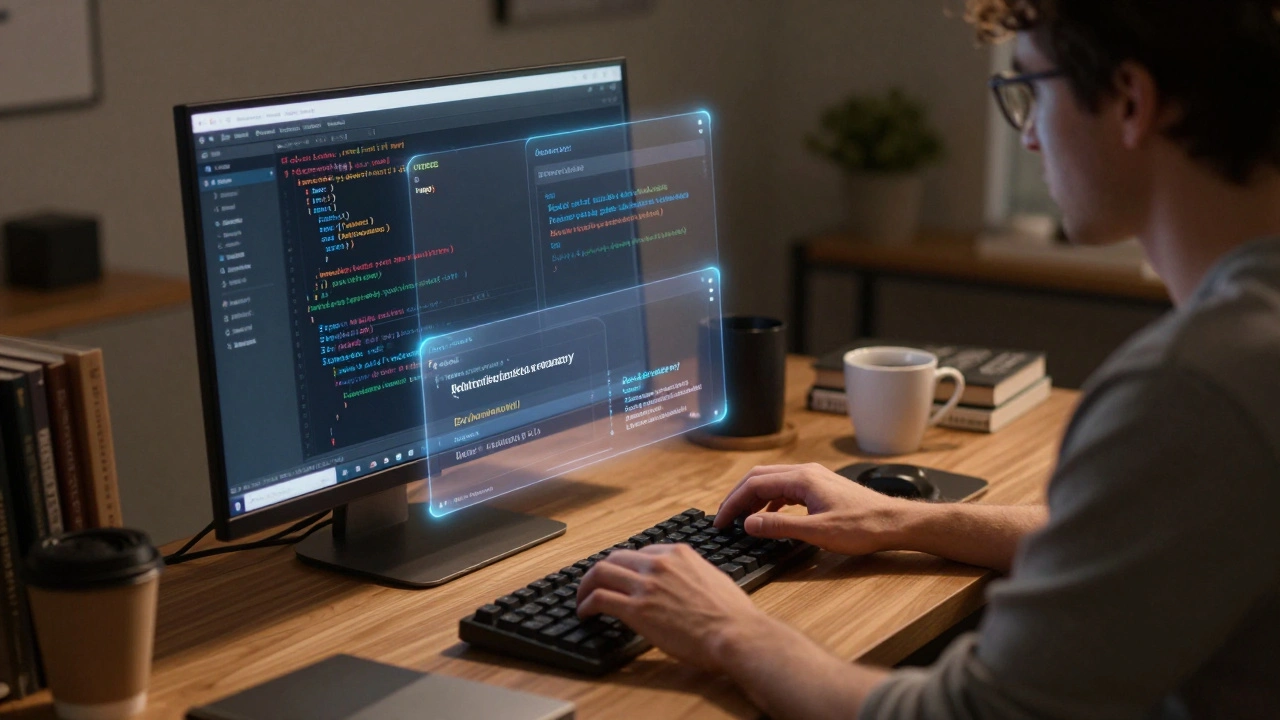
Open Source in the Vibe Coding Era: How Community Models Are Shaping AI-Powered Development
Open source AI models are reshaping how developers code in 2025, offering customization, control, and community-driven innovation that closed-source tools can't match-even if they're faster. Discover the models, patterns, and real-world use cases driving the vibe coding era.
Read More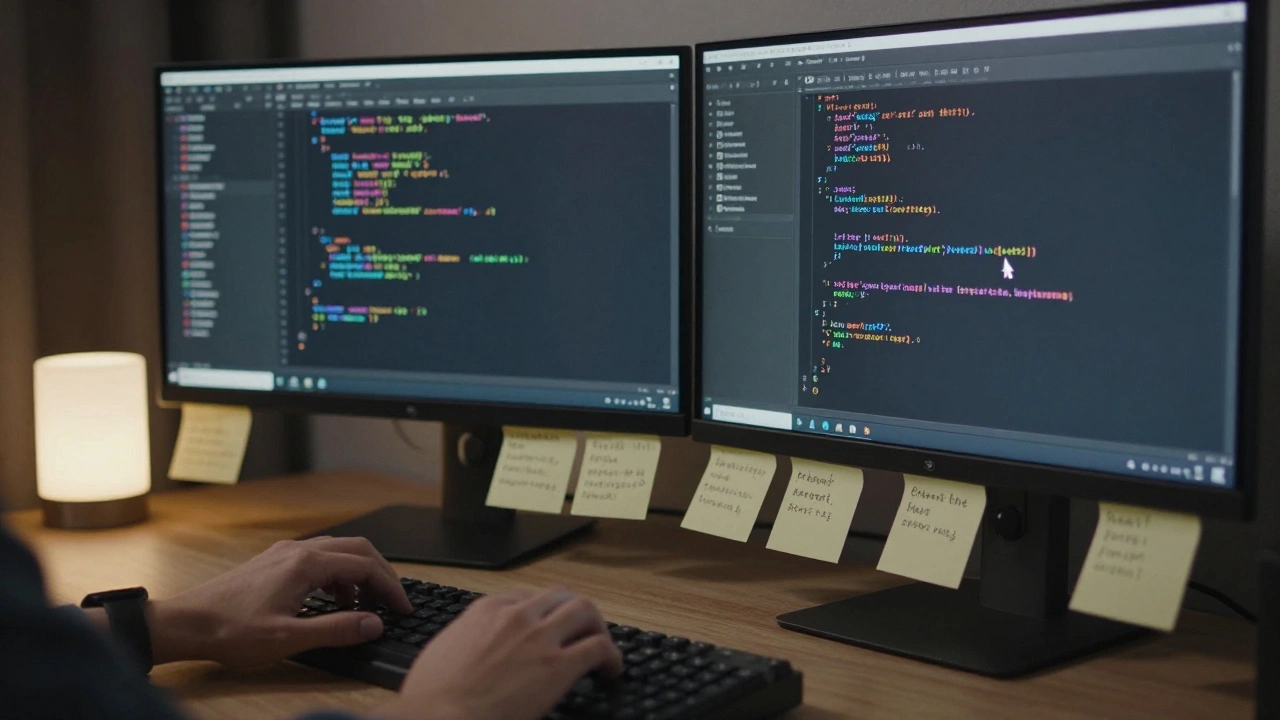
Prompt Management in IDEs: Best Ways to Feed Context to AI Agents
Learn how to manage context in AI-powered IDEs to get better code suggestions. Discover best practices for feeding precise, structured context to GitHub Copilot, JetBrains AI Assistant, and other tools.
Read More