JetBrains AI Assistant: Tools, Use Cases, and How It Fits Into AI-Powered Development
When you're building software for a nonprofit, every second counts. That’s where the JetBrains AI Assistant, an AI-powered coding helper built into JetBrains IDEs that understands context, code patterns, and team workflows. Also known as AI coding assistant, it helps developers write, debug, and refactor code using natural language—without leaving their editor. It’s not magic. It’s smart suggestions based on real codebases, team habits, and open-source patterns. And for teams using vibe coding or AI-assisted development, it’s one of the quiet workhorses behind the scenes.
The JetBrains AI Assistant, an AI-powered coding helper built into JetBrains IDEs that understands context, code patterns, and team workflows. Also known as AI coding assistant, it helps developers write, debug, and refactor code using natural language—without leaving their editor. doesn’t replace developers. It replaces repetitive tasks. Think generating test cases for a fundraising dashboard, turning a rough spec into a working API endpoint, or cleaning up legacy JavaScript in a donor portal. It works alongside tools like GitHub Copilot and Replit’s AI—but it’s built into the IDEs nonprofits already use: IntelliJ, PyCharm, WebStorm. That means less switching tabs, fewer context switches, and fewer mistakes. And because it’s trained on real code, not just internet text, it’s less likely to hallucinate or suggest insecure patterns.
It also fits right into the bigger shift happening in nonprofit tech: vibe coding, a term for using natural language prompts to generate functional code without deep programming knowledge. Also known as AI-powered development, it’s letting clinicians, fundraisers, and program managers build simple tools without waiting for IT. The JetBrains AI Assistant is the professional-grade cousin of that. While vibe coding tools let non-coders prototype fast, JetBrains helps teams scale those prototypes safely—adding tests, fixing security holes, and making sure the code stays maintainable. It’s the bridge between "I just typed what I wanted" and "This is production-ready, auditable, and compliant."
And it’s not just about speed. When you’re handling donor data, managing volunteer records, or building tools for vulnerable communities, you need code that’s clean, secure, and traceable. The JetBrains AI Assistant helps teams enforce best practices—like proper variable naming, input sanitization, and avoiding hardcoded secrets—right as they type. That’s why it shows up in posts about vibe coding, security for non-technical users, and model lifecycle management. It’s not just a coding helper. It’s a compliance aid.
You’ll find posts here that show how it pairs with supervised fine-tuning, edge deployment, and multimodal AI pipelines. Not because it does all those things itself—but because teams using it are the ones building the apps that need those systems. Whether you’re a developer tweaking a donation tracker or a program lead asking your tech person to build something fast, the JetBrains AI Assistant is quietly making that possible. And in a world where nonprofits can’t afford to waste time or money on buggy tools, that’s not just helpful. It’s essential.
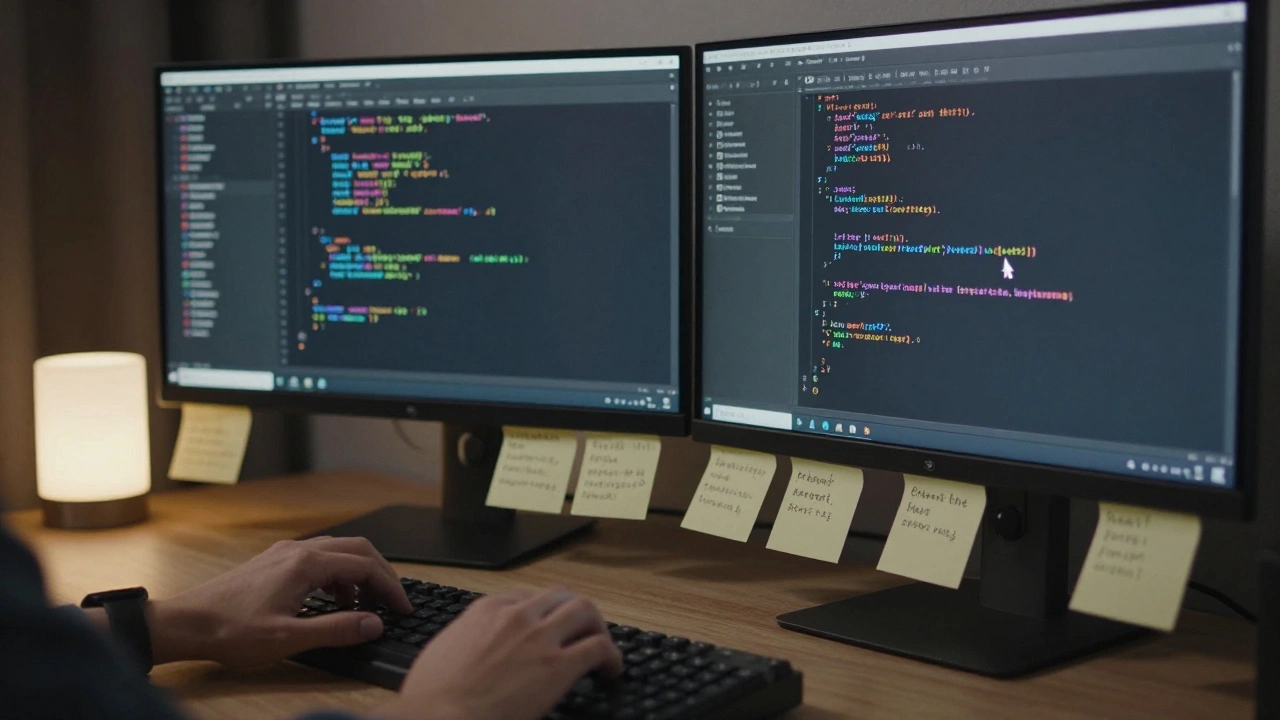
Prompt Management in IDEs: Best Ways to Feed Context to AI Agents
Learn how to manage context in AI-powered IDEs to get better code suggestions. Discover best practices for feeding precise, structured context to GitHub Copilot, JetBrains AI Assistant, and other tools.
Read More