AI Act: What Nonprofits Need to Know About AI Regulation and Compliance
When your nonprofit uses AI for fundraising, outreach, or program delivery, you’re not just using a tool—you’re navigating a new legal landscape. The AI Act, a comprehensive set of rules governing artificial intelligence in the European Union and influencing global standards. Also known as EU AI Act, it’s the first major law to classify AI systems by risk and demand accountability from anyone deploying them—even nonprofits. This isn’t just for big tech. If your org uses chatbots for donor support, AI to analyze grant applications, or tools that predict program outcomes, the AI Act applies to you.
The AI Act, a comprehensive set of rules governing artificial intelligence in the European Union and influencing global standards. Also known as EU AI Act, it’s the first major law to classify AI systems by risk and demand accountability from anyone deploying them—even nonprofits. This isn’t just for big tech. If your org uses chatbots for donor support, AI to analyze grant applications, or tools that predict program outcomes, the AI Act applies to you.
Related to this are data privacy laws, rules like GDPR and CCPA that control how personal information is collected, stored, and used by AI systems, and generative AI, AI that creates text, images, or audio from prompts, often used in nonprofit communications and reports. These aren’t separate issues—they’re layers of the same puzzle. The AI Act treats high-risk AI systems (like those used in hiring, credit scoring, or social services) with strict rules: transparency, human oversight, and data quality checks. Generative AI used to write grant proposals or donor emails? That’s now subject to labeling rules, just like California’s AB 853 requires. And if you’re handling donor data, health info, or beneficiary records across borders, you’re also dealing with third-country data transfers, the legal challenge of sending personal data outside the EU or other protected regions without violating privacy rules.
You don’t need a legal team to start getting ready. Start by asking: What AI tools are we using? Are they making decisions that affect people? Are we storing personal data? If yes, then you need to document how you’re using them, ensure people know when they’re interacting with AI, and keep records of training data. The posts below show you exactly how other nonprofits are doing this—whether it’s using synthetic data to avoid PHI violations, building explainable AI models for program evaluation, or setting up incident response plans for AI errors. You’ll find practical checklists, compliance templates, and real examples from organizations just like yours. No theory. No jargon. Just what works when you’re running a mission, not a tech startup.
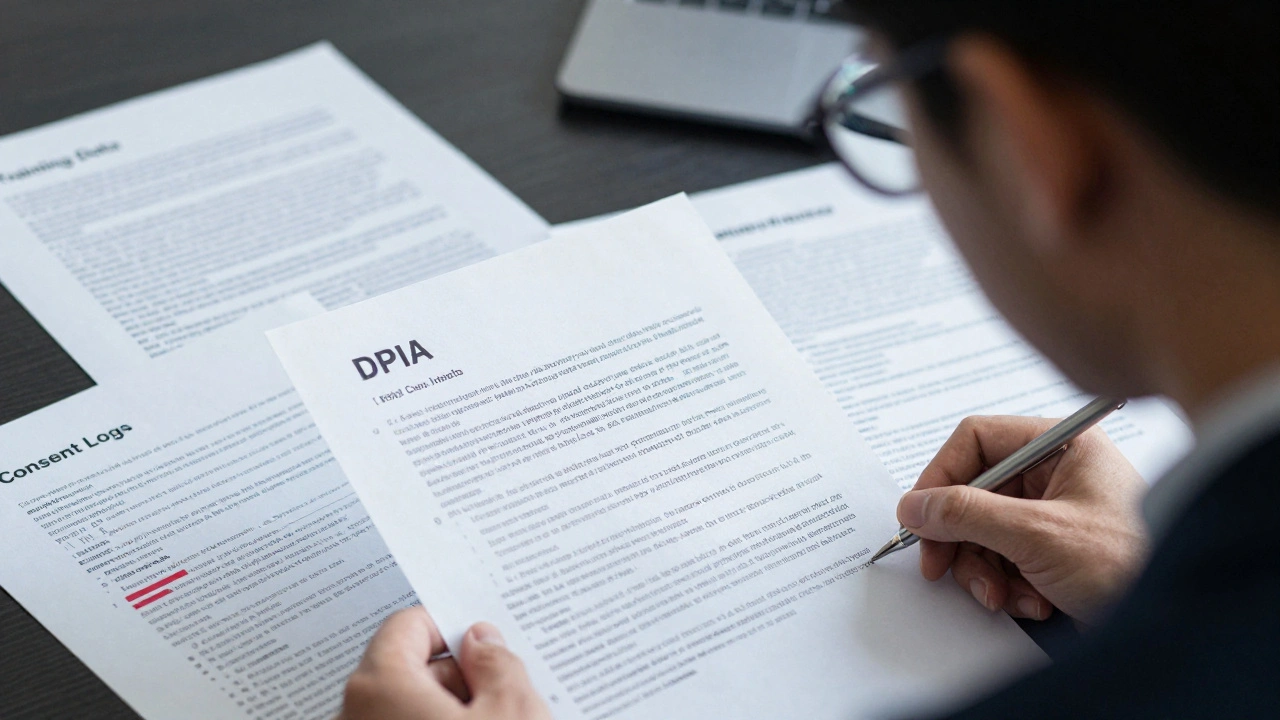
Impact Assessments for Generative AI: DPIAs, AIA Requirements, and Templates
Generative AI requires strict impact assessments under GDPR and the EU AI Act. Learn what DPIAs and FRIAs are, when they're mandatory, which templates to use, and how to avoid costly fines.
Read More