California AI Transparency Act: What Nonprofits Need to Know
When your nonprofit uses AI to write donor emails, automate outreach, or power chatbots, you’re subject to the California AI Transparency Act, a 2024 law requiring organizations to disclose when AI is used in significant interactions with the public. Also known as SB 1047, it doesn’t just apply to tech companies—it hits nonprofits hard if you’re using tools like ChatGPT, Gemini, or custom LLMs to communicate with donors, clients, or volunteers. This isn’t about banning AI. It’s about honesty. If someone interacts with your organization and doesn’t know they’re talking to a machine, you’re breaking the law.
The California AI Transparency Act, a state-level regulation focused on public disclosure of AI use in high-impact contexts requires clear, plain-language notices whenever AI generates or significantly influences content meant for the public. That means your donation form chatbot? Needs a label. Your automated thank-you email written by an LLM? Must say so. Even your social media posts generated by AI tools need disclosure if they’re used to drive engagement or fundraising. This law ties directly to generative AI regulations, a growing set of legal frameworks designed to prevent deception and protect vulnerable populations from AI-driven manipulation. Nonprofits aren’t exempt because they’re mission-driven—they’re targeted precisely because they serve communities that may not recognize AI manipulation.
Many nonprofits think they’re safe because they don’t sell products. But the law doesn’t care about profit—it cares about influence. If your AI writes a letter to a low-income client about housing assistance, and that letter sounds human, you’re required to say it’s AI-generated. If your fundraising team uses AI to draft grant proposals that get sent to foundations, disclosure is mandatory. The penalties aren’t just fines—they’re loss of trust. Donors and beneficiaries expect transparency. When they find out you hid AI use, they don’t just stop giving—they stop believing.
What you’ll find below are practical guides from nonprofits already navigating this law. You’ll see how they’ve labeled AI in donor communications, built disclosure templates that fit their brand, trained staff to spot when AI use triggers compliance, and avoided costly mistakes. These aren’t legal opinions. They’re real workflows used by organizations like yours—small teams, tight budgets, big missions. Whether you’re just starting with AI or already using it across programs, the posts here give you the tools to stay compliant without slowing down your impact.
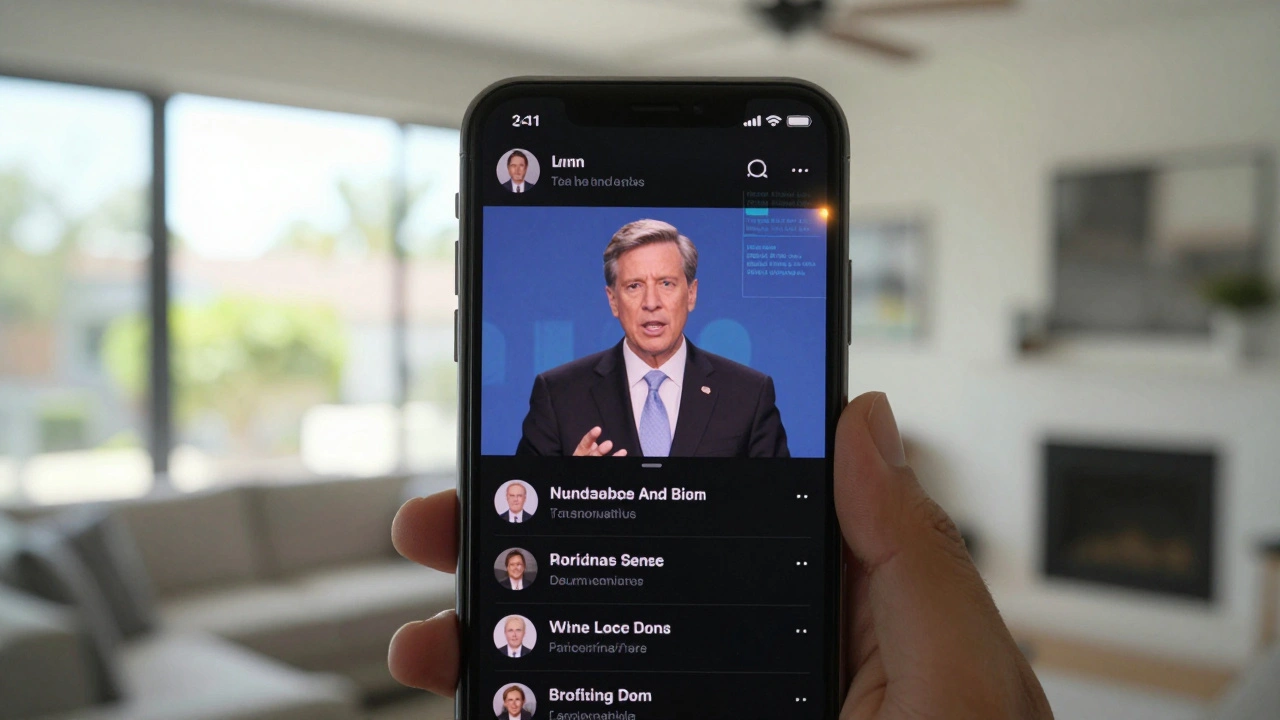
California AI Transparency Act: What You Need to Know About Generative AI Detection Tools and Content Labels
California's AI Transparency Act (AB 853) requires major platforms to label AI-generated media and offer free detection tools. Learn how it works, what it covers, and why it matters for creators and users.
Read More