DPIA: What It Is and Why Nonprofits Need It for AI Projects
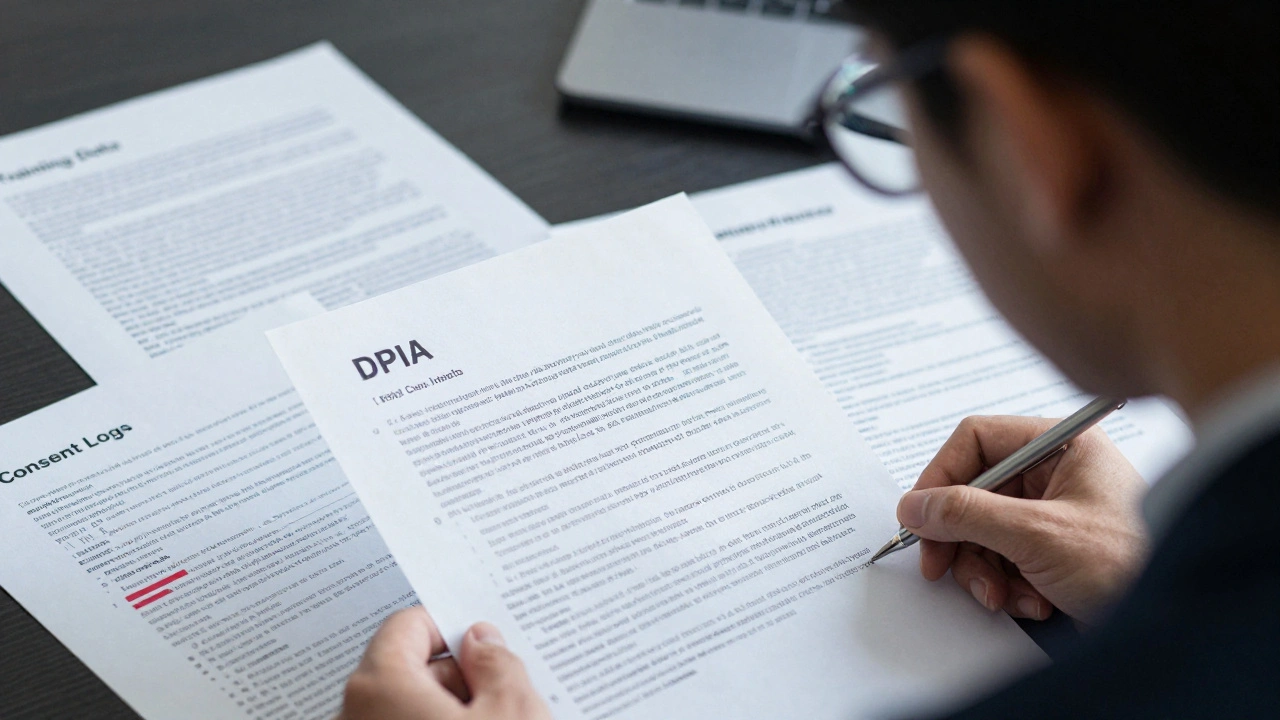
When your nonprofit uses AI to manage donor data, run programs, or automate outreach, you're handling personal information—and that triggers a legal and ethical requirement called a DPIA, a Data Protection Impact Assessment, a structured process to identify and reduce risks when processing personal data. Also known as a data privacy impact assessment, it’s not optional if you’re working with EU residents or handling sensitive info. Think of it like a safety check before you turn on a new machine: you don’t just hope it won’t break; you test it, spot the weak spots, and fix them before anyone gets hurt.
A DPIA forces you to ask hard questions: Who’s data are you using? How is it being stored? Who has access? Could this AI system accidentally expose someone’s health status, income, or political views? These aren’t abstract concerns. Under GDPR, skipping a DPIA when required can cost your org up to 4% of your global revenue. But even if you’re not based in Europe, the same principles apply. If your donors, clients, or volunteers are people—not just data points—you owe them protection. And that’s where DPIA connects to GDPR, the European Union’s strict data protection law that sets the global standard for how personal data must be handled, and to AI ethics, the practice of building and using artificial intelligence in ways that respect human rights, fairness, and transparency. You can’t claim to be mission-driven if your AI tools put people at risk.
You don’t need a legal team to start a DPIA. Most nonprofits begin with a simple template: list the data you’re processing, explain why you need it, name the people involved, and flag any risks. Then, you ask: Can we do this differently? Can we use synthetic data instead of real donor info? Can we limit access? Can we train staff to spot bias? The posts below show real examples—how a health nonprofit used synthetic data to avoid PHI violations, how cross-border data transfers triggered GDPR alarms, and how diverse teams caught hidden biases before launch. These aren’t theory pieces. They’re field guides for teams who need to move fast but can’t afford to mess up.
If you’re using AI to scale your impact, you’re already in the middle of a DPIA—whether you know it or not. The question isn’t whether you need one. It’s whether you’re doing it right before someone gets hurt—or your org gets fined.
Impact Assessments for Generative AI: DPIAs, AIA Requirements, and Templates
Generative AI requires strict impact assessments under GDPR and the EU AI Act. Learn what DPIAs and FRIAs are, when they're mandatory, which templates to use, and how to avoid costly fines.
Read More