No-Code Security: Protect Your Nonprofit Data Without Writing a Line of Code
When you hear no-code security, a way to protect digital systems without writing traditional code. Also known as visual security, it lets teams build safe apps, automate workflows, and guard data using drag-and-drop tools instead of scripts. For nonprofits, this isn’t just convenient—it’s critical. You don’t have IT teams on staff, but you still handle donor info, grant records, and personal data that can’t be exposed. No-code security gives you control without needing to hire a developer.
It works by layering built-in protections into platforms like Knack, a no-code platform for building custom databases and apps and Memberstack, a tool for managing member access and payments without backend code. These platforms come with roles, permissions, encryption, and audit trails already turned on. You set who sees what—donor list, financial reports, volunteer schedules—and the system locks it down automatically. No need to patch vulnerabilities or debug login loops. The tools handle it.
This matters because nonprofits are targeted. Hackers know you’re under-resourced. A single leaked email list can cost you trust, funding, and even legal penalties. No-code security flips the script: instead of chasing threats after they happen, you build safety in from day one. It’s not about being tech-savvy—it’s about choosing platforms that do the heavy lifting for you. You focus on your mission. The tools handle compliance, access control, and data hygiene.
And you’re not alone. More nonprofits are using vibe coding, building apps with plain language prompts instead of code to create internal tools—like donation trackers or volunteer sign-ups—without writing a single line. But if you’re building fast, you need security built in too. That’s where no-code security steps in. It’s the invisible guardrail that keeps your vibe-coded apps from becoming accidental data leaks.
What you’ll find here are real examples of nonprofits using no-code tools to lock down their data. You’ll see how they set up access rules, avoid common missteps, and stay compliant without spending hours on IT. No theory. No jargon. Just what works—for small teams, tight budgets, and missions that can’t afford a breach.
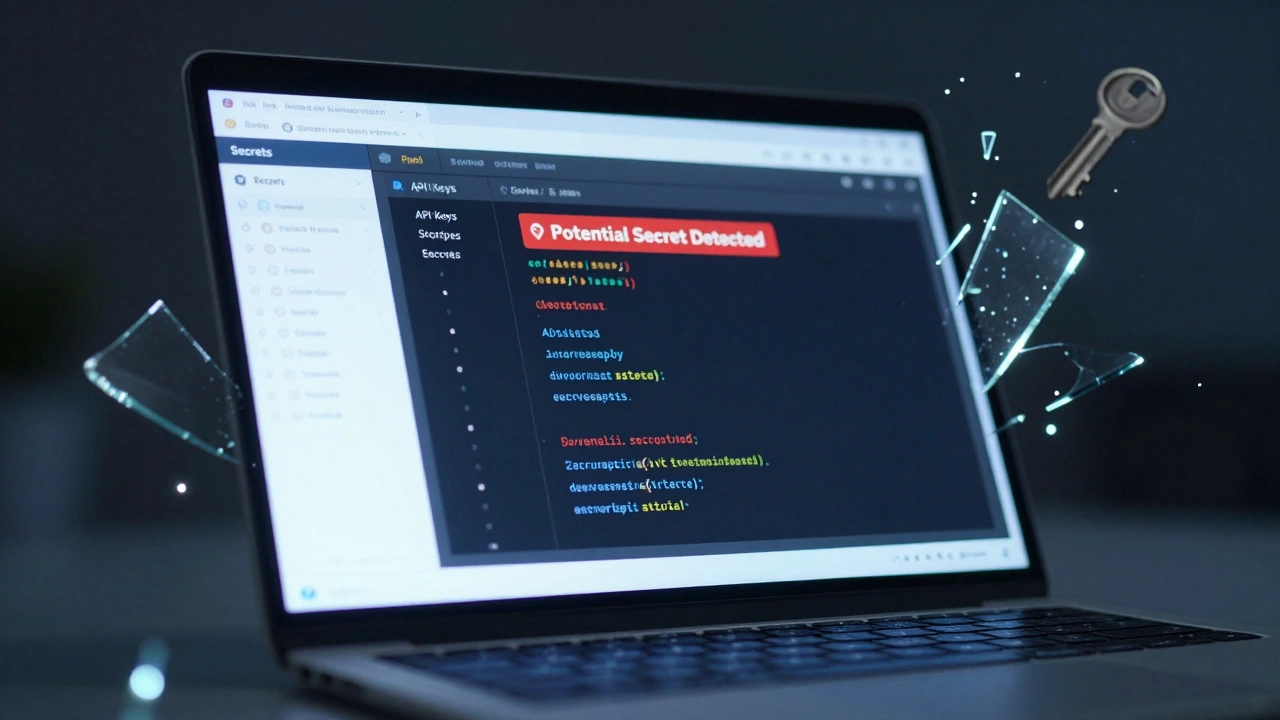
Security Basics for Non-Technical Builders Using Vibe Coding Platforms
Non-technical builders using AI coding tools like Replit or GitHub Copilot must avoid hardcoded secrets, use HTTPS, sanitize inputs, and manage environment variables. These five simple rules prevent 90% of security breaches in vibe-coded apps.
Read More