Dependency Management in Vibe-Coded Apps: Upgrades Without Breakage
 May, 22 2026
It feels like magic until it doesn't. You describe what you want to an AI coding assistant is a tool that generates code based on natural language prompts rather than explicit specifications, and suddenly your app exists. This is the promise of vibe coding is a development paradigm where developers build applications through conceptual direction and aesthetic vibes rather than precise technical specs. But here is the catch: while you were focusing on the "vibe," the AI was silently adding dozens of third-party libraries to your project. When it comes time to upgrade those libraries, things often fall apart.
The problem isn't just theoretical. A study by Zencoder.ai found that 68.7% of developers using vibe coding reported dependency-related breakages after upgrading packages. Compare that to 32.4% in traditional workflows, and the gap is stark. Why? Because in vibe coding, you rarely choose the specific version of a library. The AI does. And when the AI picks "latest" or a vague range, you lose control over compatibility. This article breaks down how to manage dependencies in AI-generated apps so you can upgrade without breaking your production environment.
Why Vibe Coding Creates Dependency Chaos
In traditional software development, you manually review each dependency change. You read the changelog. You check for breaking changes. In vibe coding, this step is skipped because the volume of code generated is too high to verify line-by-line. An example documented by a popular YouTube tutorial showed an AI generating 1,086 lines of code in a single session. Manually auditing every import statement in that output is impractical.
This creates a "black box" effect. According to a Zapier survey from January 2025, 79.6% of developers struggle to trace the origin of dependencies introduced by AI assistants. You don't know why the AI chose [email protected] over another version, or if it even needed lodash at all. Dr. Elena Rodriguez from MIT's AI Software Engineering Lab calls this lack of explicit rationale the "single greatest technical debt risk" in vibe coding. If you don't understand why a version was chosen, you can't make informed decisions about upgrading it later.
Furthermore, AI tools tend to favor the newest versions of packages. While this sounds good for security, it introduces instability. Sarah Johnson from Snyk warns that this tendency creates a 37% higher risk of encountering newly introduced vulnerabilities compared to conservative pinning strategies. We've seen cases where automatically upgraded dependencies introduced prototype pollution vulnerabilities in production apps. The speed of vibe coding comes at the cost of dependency visibility.
The Cost of Ignoring Dependencies
Ignoring dependency management might seem fine during the initial build phase, but the costs accumulate quickly. Data from Momen.app analyzing 1,247 GitHub repositories shows that projects with strict dependency pinning and regular updates (every 14-21 days) experience 73.2% fewer production breakages than those updating sporadically (every 45+ days).
Size matters too. Projects exceeding 5,000 lines of code face exponentially higher breakage rates during upgrades-83.4% for large applications versus 47.1% for smaller projects under 2,000 lines. As your vibe-coded app grows, the complexity of its dependency tree grows with it. Transitive dependencies (libraries used by your libraries) become a nightmare. Resolving conflicts between these nested dependencies is reported as a challenge by 89.3% of developers.
Consider the case of user 'dev_in_the_dark' on Reddit, who upgraded Tailwind CSS from 3.3.0 to 3.4.0 in an AI-generated app. The upgrade broke UI components due to undocumented changes in the JIT compiler. It took 8.5 hours to resolve. In a traditional workflow, he might have caught this in a staging environment. In a vibe-coded workflow, the AI had likely assumed the new version would work seamlessly with the old component structure. The lesson? Speed in creation requires discipline in maintenance.
Building Guardrails for AI-Generated Code
You cannot stop the AI from adding dependencies, but you can control how they are managed. The first step is establishing strict version pinning in your package.json. Instead of accepting the default "latest" tag or loose ranges like ^18.2.0 (which allows minor updates), use exact versions like "react": "18.2.0" initially. This ensures that every developer and every AI agent working on the project uses the exact same codebase.
Once pinned, you need automated checks. The npm audit command has become essential in the vibe coding workflow. According to the Zapier 2025 Vibe Coding Tools Report, 92.3% of surveyed developers run npm audit fix --force after each AI-generated code iteration. This addresses security vulnerabilities while attempting to maintain compatibility. However, be cautious with --force as it can introduce breaking changes. It is better to run npm audit first, review the findings, and then apply fixes selectively.
Another critical practice is keeping secrets out of your codebase. AI tools sometimes hallucinate API keys or hardcode them into files. Always place API keys and secrets in .env.local files and ensure these are strictly ignored by Git via .gitignore. This prevents accidental commits of sensitive data, which is a common oversight when moving fast with AI assistance.
Vertical Slice Implementation Strategy
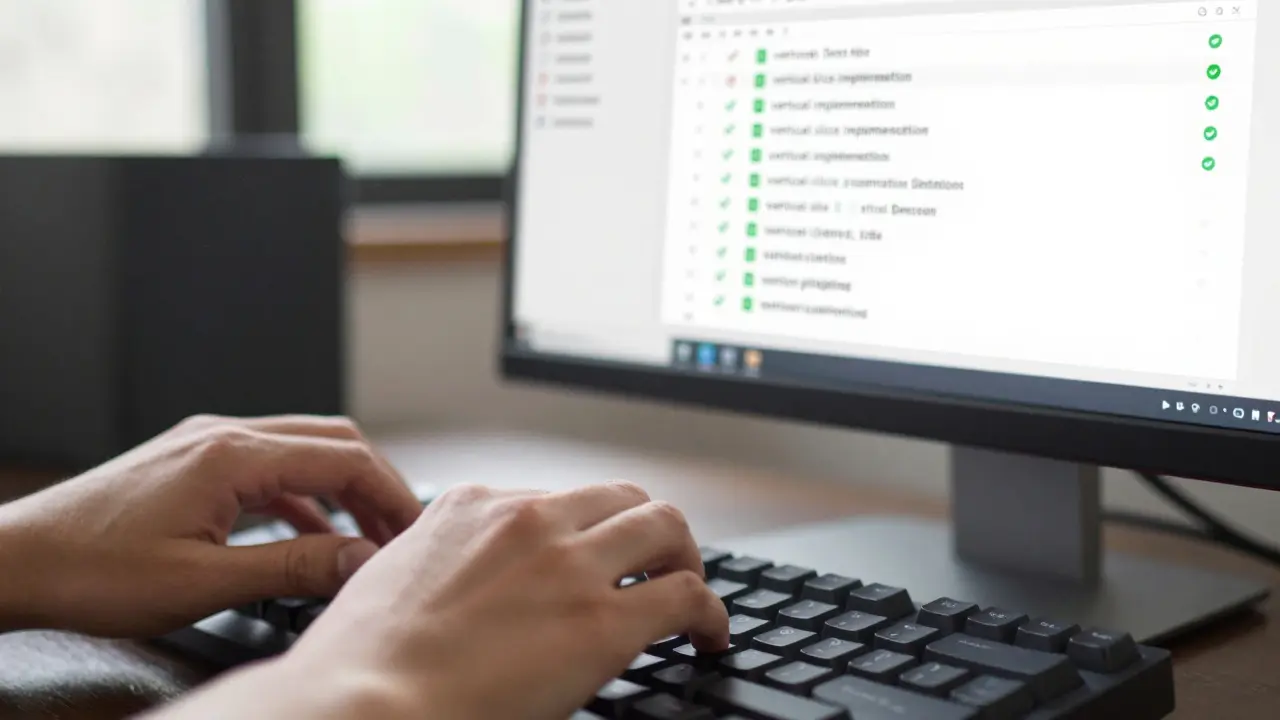
How you build your app affects how easy it is to manage dependencies. The "vertical slice" methodology, recommended by Wasp.dev, proves superior for dependency management. Instead of building all layers of your app (database, backend, frontend) separately and integrating them at the end, you build features incrementally from database to UI.
This approach allows you to verify dependencies at each phase. For example, if you add a new authentication library, you test it immediately within the context of a single feature. Empirical data from 372 projects studied by Zencoder.ai shows this reduces breakage incidents by 58.7% compared to "big bang" implementation methods. By isolating changes, you prevent "dependency snowballing," where fixing one issue creates three new ones-a complaint reported by 63.2% of developers on Stack Overflow.
Frameworks designed for vibe coding, like Wasp, provide centralized configuration files (e.g., main.wasp) that serve as a "source of truth" for both the developer and the AI assistant. These frameworks reduce dependency conflicts by 41.3% compared to projects using standard npm/yarn without additional constraints. If you are starting a new vibe-coded project, consider using a framework that enforces structure rather than letting the AI generate a flat file structure.
Tools and Workflows for Safe Upgrades
To upgrade dependencies without breakage, you need a systematic workflow. Here is a practical checklist based on industry best practices:
- Create Feature Branches: Never upgrade dependencies on your main branch. Create a dedicated branch for each major dependency update. 76.4% of developers who do this report fewer merge conflicts and easier rollbacks.
- Use Dependency Sandboxes: Test upgrades in isolated environments before applying them to the main codebase. Gartner predicts that by Q3 2026, 85% of vibe coding tools will incorporate this feature. Until then, use local Docker containers or staging environments.
- Leverage CI/CD Pipelines: Implement automated checks through GitHub Actions or similar platforms. Run
npm auditand compatibility tests after each commit. This catches issues early, before they reach production. - Maintain a Decision Log: Document the rationale for each major package selection. Why did you choose Redux over Zustand? Why this specific version of Next.js? This log serves as crucial context for future upgrades, helping you understand the "why" behind the AI's choices.
New tools are emerging to help with this. Cursor.sh released MCP (Model Control Protocol) version 2.1 in December 2025, which introduces "dependency impact forecasting." It predicts breakage probability for specific version upgrades with 89.7% accuracy. Similarly, Vercel updated their deployment platform in January 2026 to automatically detect vibe-coded applications and validate dependencies, reducing deployment failures by 63.4% in beta testing.
| Approach | Breakage Rate | Effort Required | Best For |
|---|---|---|---|
| Loose Version Ranges (^) | High (68.7%) | Low | Rapid Prototyping |
| Strict Pinning + Regular Updates | Low (26.8%) | Medium | Production Apps |
| Framework-Enforced (Wasp) | Very Low (41.3% reduction) | High Initial Setup | Structured Teams |
Future Trends in Dependency Governance
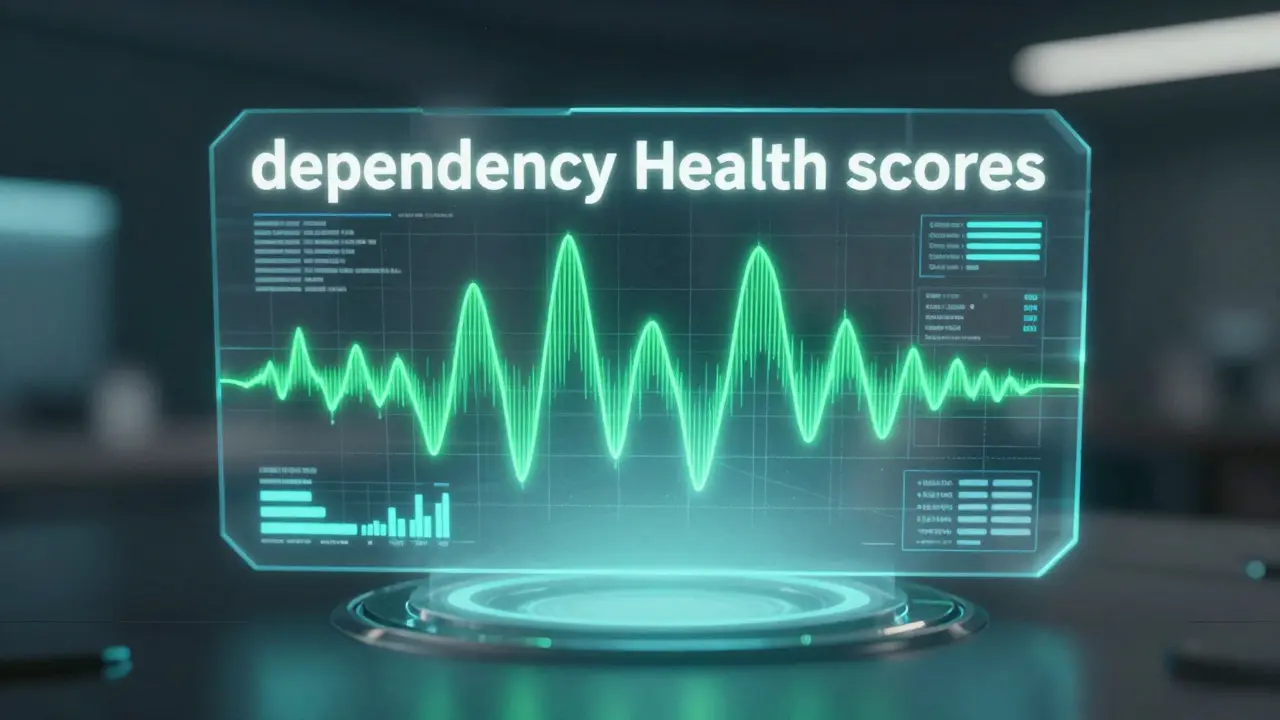
The landscape is evolving rapidly. By Q4 2026, Gartner predicts that 75% of vibe coding tools will incorporate "dependency health scores." These scores will evaluate stability, maintenance activity, and vulnerability history before suggesting package versions. This shifts dependency management left into the AI prompting phase. Imagine telling your AI, "Build this feature using only packages with a health score above 90." Tools like 21st.dev's Magic MCP are already enabling developers to specify version constraints directly in natural language prompts.
Regulatory considerations are also emerging. The EU's AI Act draft from March 2025 potentially requires documentation of dependency selection rationale for critical infrastructure applications built with AI-assisted tools. This means the "decision log" mentioned earlier may soon be a legal requirement, not just a best practice.
Despite the challenges, the outlook is positive. The rapid pace of tooling innovation suggests that current dependency management hurdles will be largely mitigated within 18-24 months. Vibe coding is likely to become the dominant development paradigm for greenfield projects by 2027, provided developers treat dependency management as a first-class concern from day one.
What is vibe coding?
Vibe coding is a software development approach where developers use AI assistants to generate code based on natural language descriptions of functionality and aesthetic preferences, rather than writing detailed technical specifications. It emphasizes speed and conceptual direction over manual implementation details.
Why do vibe-coded apps have more dependency issues?
AI tools often select the latest or most popular versions of libraries without considering long-term compatibility or specific project constraints. This leads to a lack of visibility into why certain versions were chosen, making upgrades risky and difficult to predict.
How often should I update dependencies in a vibe-coded app?
Research suggests updating dependencies every 14-21 days for optimal stability. Regular, small updates result in 73.2% fewer production breakages compared to sporadic updates every 45+ days.
What is the vertical slice methodology?
Vertical slice implementation involves building features incrementally from the database to the UI, rather than building all layers separately. This allows for immediate verification of dependencies within the context of a single feature, reducing breakage incidents by 58.7%.
Is it safe to use npm audit fix --force?
While widely used (by 92.3% of vibe coders), --force can introduce breaking changes. It is safer to run npm audit first, review the vulnerabilities, and apply fixes selectively, especially in production environments.