Data Protection for Nonprofits: Safeguarding Donor and Community Information
When you collect names, emails, or donation histories, you’re holding data protection, the practice of securing personal information from misuse, loss, or unauthorized access. Also known as data privacy, it’s not just a legal box to check—it’s the foundation of trust between your nonprofit and the people you serve. If a donor’s info leaks, they won’t just stop giving—they might stop believing in your mission entirely. And it’s not just about donors. Your clients, volunteers, and community members rely on you to keep their data safe too.
That’s why GDPR, a strict European data privacy law that applies if you collect data from anyone in the EU, even indirectly matters. It doesn’t matter if your office is in Texas—if a donor in Berlin signed up for your newsletter, you’re covered. Same with CCPA, California’s law that gives residents control over their personal data, including the right to delete it or stop you from selling it. These aren’t distant regulations. They’re daily realities for nonprofits using email tools, CRM systems, or AI platforms that process personal info. And with generative AI now used for donor outreach, program design, and even grant writing, you’re handling more sensitive data than ever before.
AI doesn’t magically solve data protection—it can make it harder. If you’re using an AI tool that stores donor emails to improve responses, you’re creating a new risk point. A single misconfigured API key or unencrypted database can expose years of records. That’s why the posts below focus on real, doable steps: how to audit your tools, what clauses to demand in vendor contracts, how to train staff who aren’t IT experts, and why synthetic data can keep your programs running without touching real names or addresses. You don’t need a legal team to start. You just need to know where the leaks are—and how to plug them.
Below, you’ll find practical guides on cross-border data rules, security for non-technical users, ethical AI deployment, and how to build systems that protect people—not just comply with laws. These aren’t theory pieces. They’re the exact tools and checklists teams like yours are using right now to avoid fines, rebuild trust, and keep their missions alive.
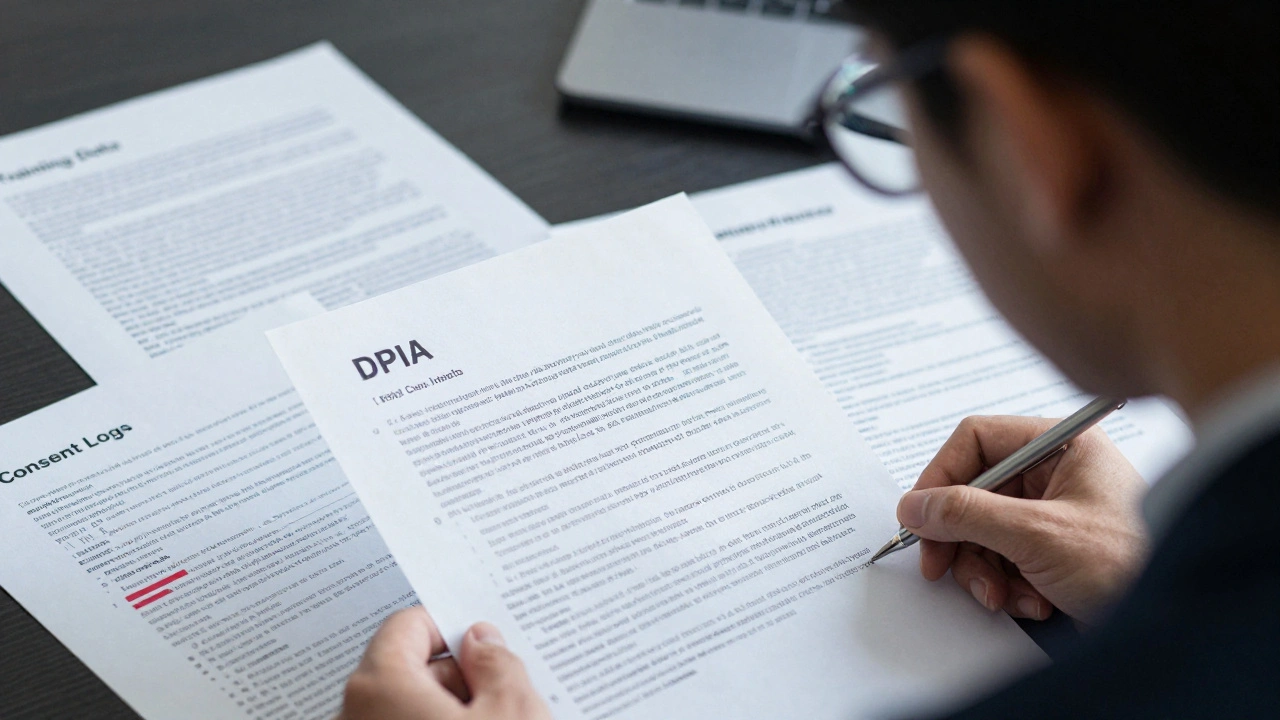
Impact Assessments for Generative AI: DPIAs, AIA Requirements, and Templates
Generative AI requires strict impact assessments under GDPR and the EU AI Act. Learn what DPIAs and FRIAs are, when they're mandatory, which templates to use, and how to avoid costly fines.
Read More