PHI-free prototyping: Build AI tools without exposing patient data
When you're building AI tools for nonprofits that serve vulnerable communities, PHI-free prototyping, the practice of developing AI systems using data that contains no Protected Health Information. Also known as de-identified prototyping, it lets teams test ideas, train models, and demo features without risking patient privacy or breaking HIPAA rules. You don’t need real patient records to figure out if your chatbot will help clients schedule appointments or if your intake form automation will cut admin time. You need clean, synthetic, or anonymized data that behaves like the real thing—without being the real thing.
Many nonprofits jump straight into using real data because it feels more "real," but that’s where things go wrong. One misconfigured script, one shared file, one cloud bucket left open—and you’ve exposed sensitive health info. De-identified data, data stripped of names, dates, addresses, medical record numbers, and other direct identifiers is your safest starting point. Tools like synthetic data generators, systems that create artificial datasets mimicking real-world patterns without copying actual records let you simulate how your AI will perform with thousands of client interactions—without ever touching a real chart. And you can do it all in a weekend.
PHI-free prototyping isn’t just about avoiding fines. It’s about building trust. Clients won’t share personal stories if they think their data might leak. Donors won’t fund projects that risk patient safety. By proving your tool works on clean data first, you show you’re serious about ethics—not just efficiency. Teams at food banks, mental health clinics, and homeless shelters have used this approach to test AI intake forms, appointment reminders, and resource matchers before ever connecting to their EHRs. The results? Faster launches, fewer compliance headaches, and real user feedback from the start.
What you’ll find below are real examples from nonprofits who’ve walked this path. You’ll see how they built prototypes without patient data, what tools they used, how they validated results, and how they safely moved from testing to live deployment. No theory. No fluff. Just what works when you’re building AI for people who can’t afford to be experimented on.
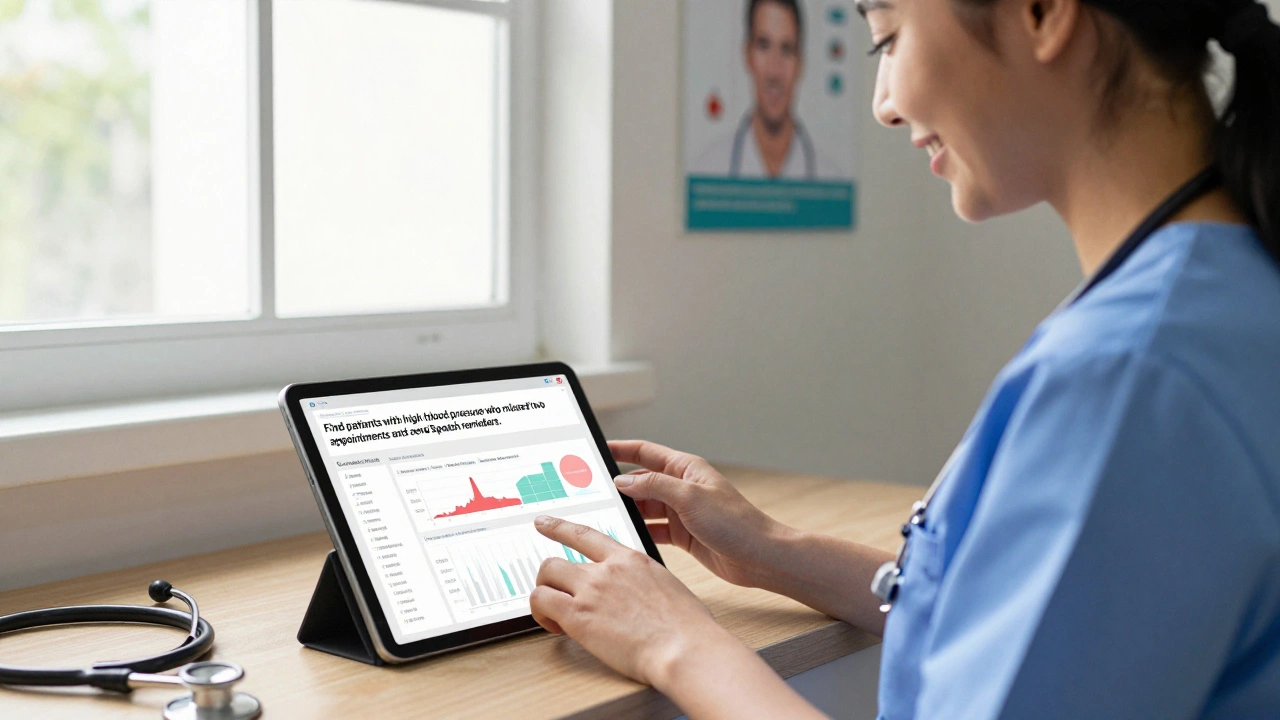
Building Without PHI: How Healthcare Vibe Coding Lets Non-Coders Prototype Safely
Vibe coding lets clinicians build healthcare tools without touching patient data. Using AI and synthetic data, it cuts prototype time from weeks to minutes while staying HIPAA-compliant. Here's how it works-and why it's changing healthcare innovation.
Read More