Technology for Nonprofits: Vibe Coding, AI Tools, and Safe Automation
When working with vibe coding, a way for non-programmers to build software using plain language prompts instead of traditional code. Also known as AI-powered development, it lets staff members create dashboards, forms, and automations without writing a single line of code. This isn’t science fiction—it’s happening right now in small nonprofits that need to do more with less.
What makes vibe coding different from old-school no-code tools? It uses generative AI, models like GPT-4 and Claude that understand natural language and generate functional code in real time to turn simple requests into working apps. A fundraiser can ask for a donor tracker. A program manager can request a client intake form. And within minutes, it’s built—no IT team needed. But this power comes with risks. If you’re handling health data, donor info, or sensitive records, you need to know how to use these tools safely, without exposing private information or violating regulations like HIPAA. That’s why many teams are starting with synthetic data and PHI-free prototypes before rolling out anything real.
Not every project needs AI. Vibe coding shines for repetitive tasks: creating surveys, connecting spreadsheets, building internal dashboards, or generating test data. It’s terrible for complex financial systems or anything that handles real-time decisions about people’s lives. The key is knowing where to use it—and where to leave it alone. Teams that succeed don’t try to automate everything. They pick the low-hanging fruit: the tasks that eat up hours every week but don’t require deep expertise. One nonprofit saved 15 hours a week just by automating their volunteer sign-up form. Another cut prototype time from six weeks to six minutes by building a client feedback tool without touching patient data.
And cost? It adds up fast. Running GPT-4 on every prompt can drain your budget. But you don’t need to pay for full power every time. With smart prompt design, you can cut token usage by half without losing quality. That means lower bills and faster results. You don’t need to be a tech expert to do this. Just follow a few basic rules: don’t hardcode passwords, always use HTTPS, and keep secrets out of your prompts. These steps stop 90% of the common mistakes that lead to breaches.
What you’ll find below isn’t theory. It’s real advice from teams who’ve walked this path. From how to start a pilot project without blowing your budget, to how healthcare workers build tools without ever seeing PHI, to the exact tools that save hours every week for knowledge workers. These aren’t hypotheticals. They’re fixes that worked—for small staffs, tight budgets, and mission-driven teams who can’t afford to waste time or risk data.
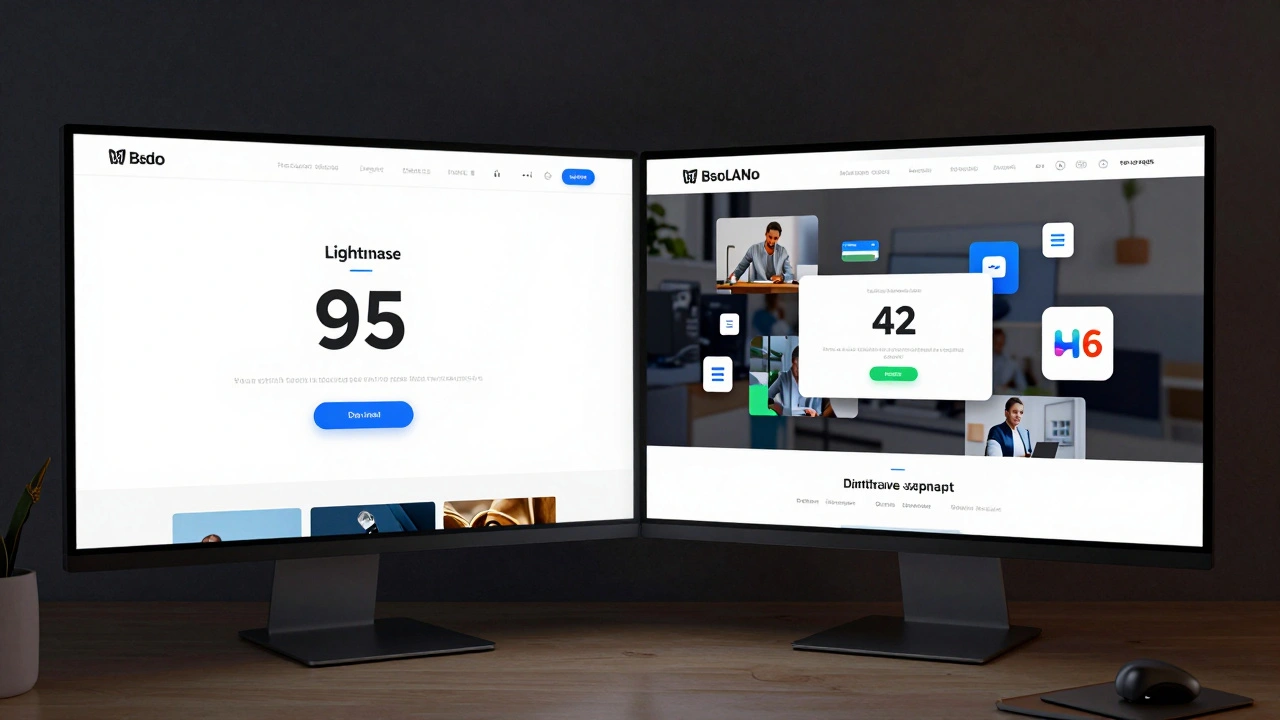
Performance Budgets for Frontend Development: Set, Measure, Enforce
Performance budgets set hard limits on website speed metrics like load time and file size to prevent slow frontends. Learn how to set, measure, and enforce them using Lighthouse CI, Webpack, and Core Web Vitals.
Read More
Vibe Coding Adoption Roadmap: From Pilot Projects to Broad Rollout
Vibe coding lets anyone build apps using natural language prompts. Learn how to start with pilot projects, scale safely, avoid common pitfalls, and prepare for broad rollout in 2025 and beyond.
Read More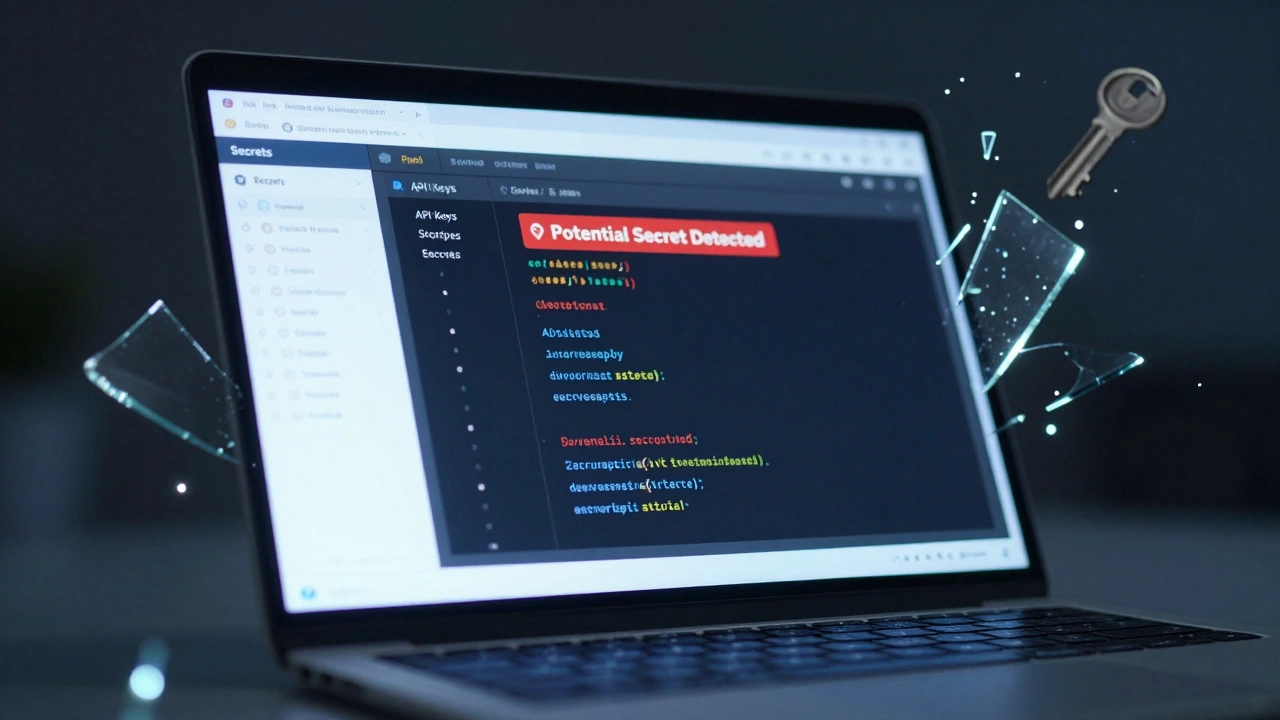
Security Basics for Non-Technical Builders Using Vibe Coding Platforms
Non-technical builders using AI coding tools like Replit or GitHub Copilot must avoid hardcoded secrets, use HTTPS, sanitize inputs, and manage environment variables. These five simple rules prevent 90% of security breaches in vibe-coded apps.
Read More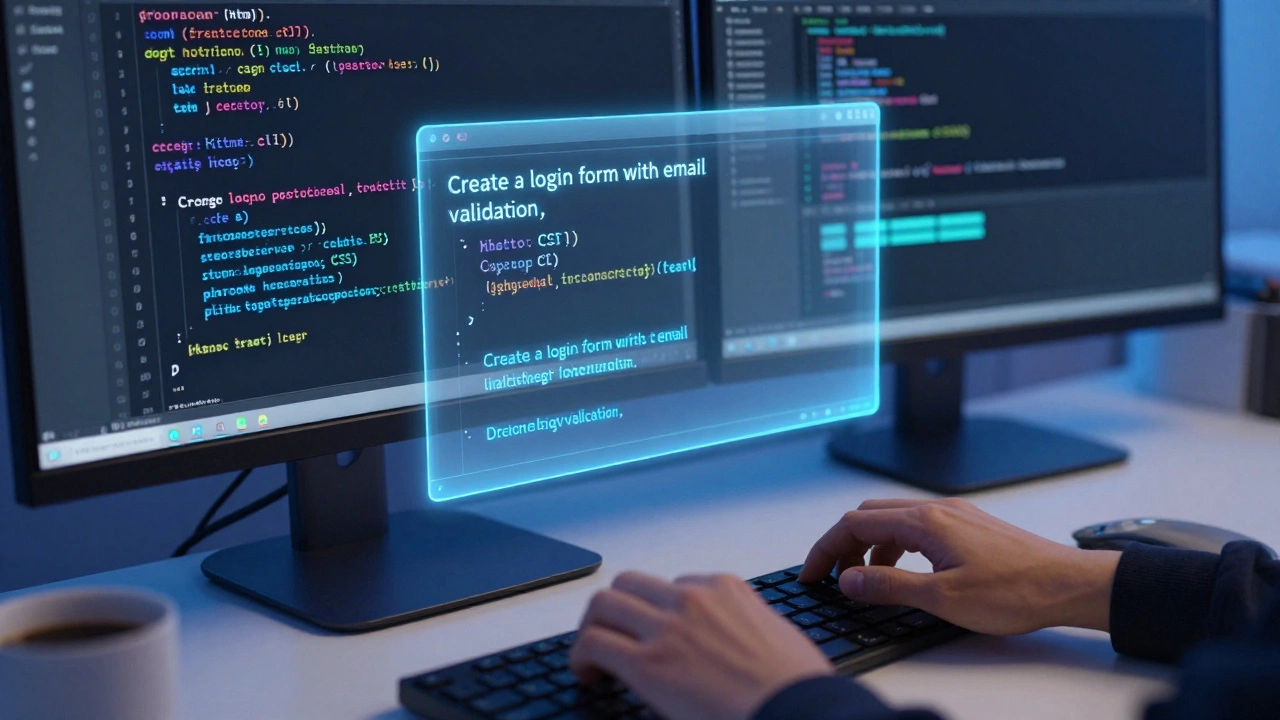
When Vibe Coding Works Best: Project Types That Benefit from AI-Generated Code
AI-generated code works best for repetitive tasks like forms, APIs, tests, and UI components - not for security-critical or complex logic. Learn which projects benefit most from vibe coding.
Read More
Vibe Coding for Knowledge Workers: Tools That Save Hours Every Week
Vibe coding lets knowledge workers build custom apps using plain language instead of code, saving 12-15 hours weekly. Tools like Knack and Memberstack turn natural prompts into working dashboards, automations, and tools - no programming needed.
Read More
Building Without PHI: How Healthcare Vibe Coding Lets Non-Coders Prototype Safely
Vibe coding lets clinicians build healthcare tools without touching patient data. Using AI and synthetic data, it cuts prototype time from weeks to minutes while staying HIPAA-compliant. Here's how it works-and why it's changing healthcare innovation.
Read More
How to Reduce Prompt Costs in Generative AI Without Losing Context
Learn how to reduce generative AI prompt costs by optimizing tokens without sacrificing output quality. Practical tips for cutting expenses on GPT-4, Claude, and other models.
Read More