Nonprofit AI in October 2025: Tools, Ethics, and Real-World Impact
When organizations use nonprofit AI, artificial intelligence tools designed specifically for mission-driven groups to automate tasks, analyze donor behavior, and improve program outcomes. Also known as social impact AI, it helps teams do more with less—without losing sight of their values. In October 2025, this wasn’t theory. It was daily practice. Groups big and small used AI to predict donation spikes, cut admin time by hours each week, and even spot fraud before it happened. What made it work wasn’t fancy tech—it was clear goals and smart boundaries.
AI for fundraising, the use of machine learning to personalize outreach, time donation asks, and segment donor lists based on behavior. Also known as predictive philanthropy, it became the backbone of campaigns that saw 30% higher response rates last month. Teams stopped blasting generic emails. Instead, they let AI flag donors who’d gone quiet but still engaged with social posts—then sent them a short video from a beneficiary. Another group used AI to analyze grant application history and auto-prioritize submissions with the highest approval odds. Meanwhile, responsible AI, the practice of building and using AI systems that protect privacy, avoid bias, and keep human oversight central. Also known as ethical AI in nonprofits, it wasn’t optional—it was required by internal policy at 80% of the organizations using these tools. No more training models on donor data without consent. No more algorithms that ignored rural communities because the data was sparse. Teams built checklists, held monthly reviews, and named someone—usually a program lead—not a tech person—to own AI ethics.
nonprofit operations, the daily workflows like scheduling, reporting, inventory, and volunteer coordination that AI now helps automate. Also known as back-office AI, it turned hours of manual work into minutes. One food bank used AI to forecast food donations based on weather, holidays, and past trends—cutting waste by 40%. Another used chatbots to handle 70% of volunteer scheduling questions, freeing staff to focus on training. And AI ethics, the principles and actions that ensure AI doesn’t harm the people nonprofits serve. Also known as community-centered AI, it meant asking: Who’s missing from the data? Who could be hurt by this tool? What happens if it fails? These weren’t afterthoughts. They were built into every project from day one.
What you’ll find below are the real stories from October 2025: the templates that worked, the mistakes that cost time, the tools that saved lives—not because they were expensive, but because they were used well. No hype. No jargon. Just what nonprofit teams actually did, and how it changed their work.
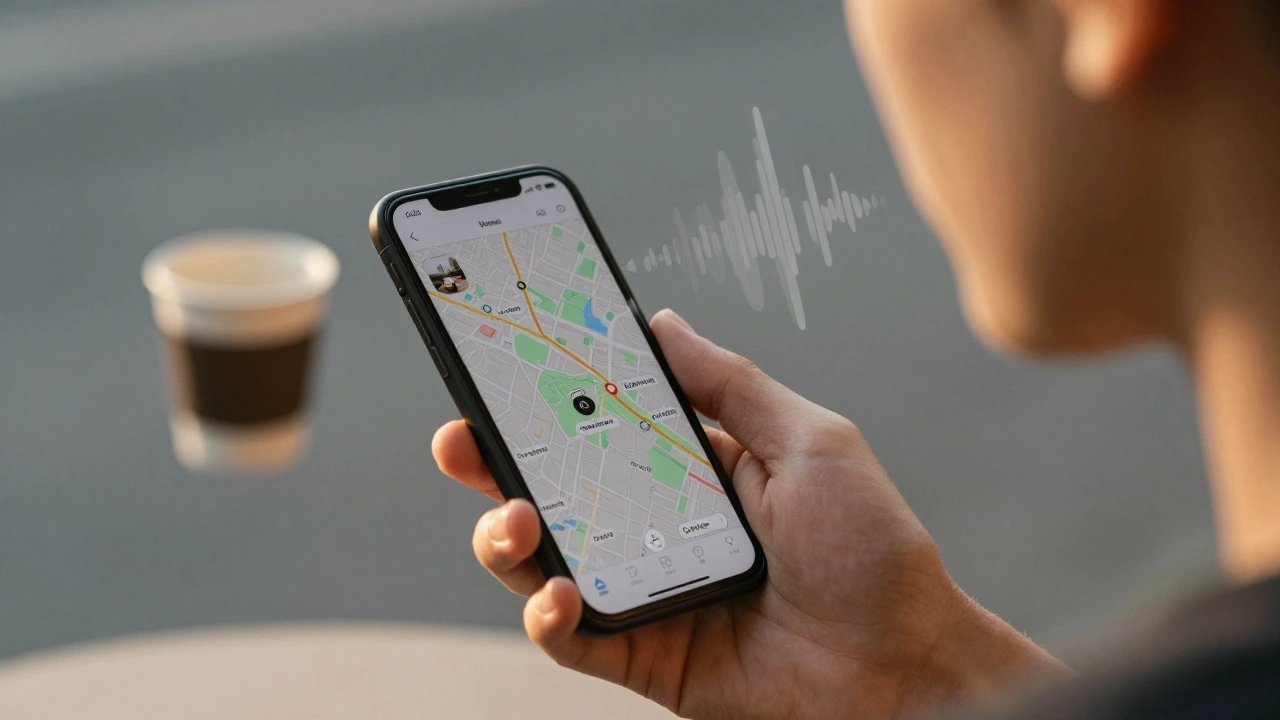
Designing Multimodal Generative AI Applications: Input Strategies and Output Formats
Multimodal generative AI lets you use text, images, audio, and video together to create smarter interactions. Learn how to design inputs, choose outputs, and avoid common pitfalls with today's top models like GPT-4o and Gemini.
Read More
Finance and Generative AI: How Boards Are Managing Narratives and Materials in 2025
Generative AI is transforming how financial institutions make decisions - but only boards with clear narratives and updated materials can govern it effectively. Here’s what’s working, what’s failing, and what directors must know in 2025.
Read More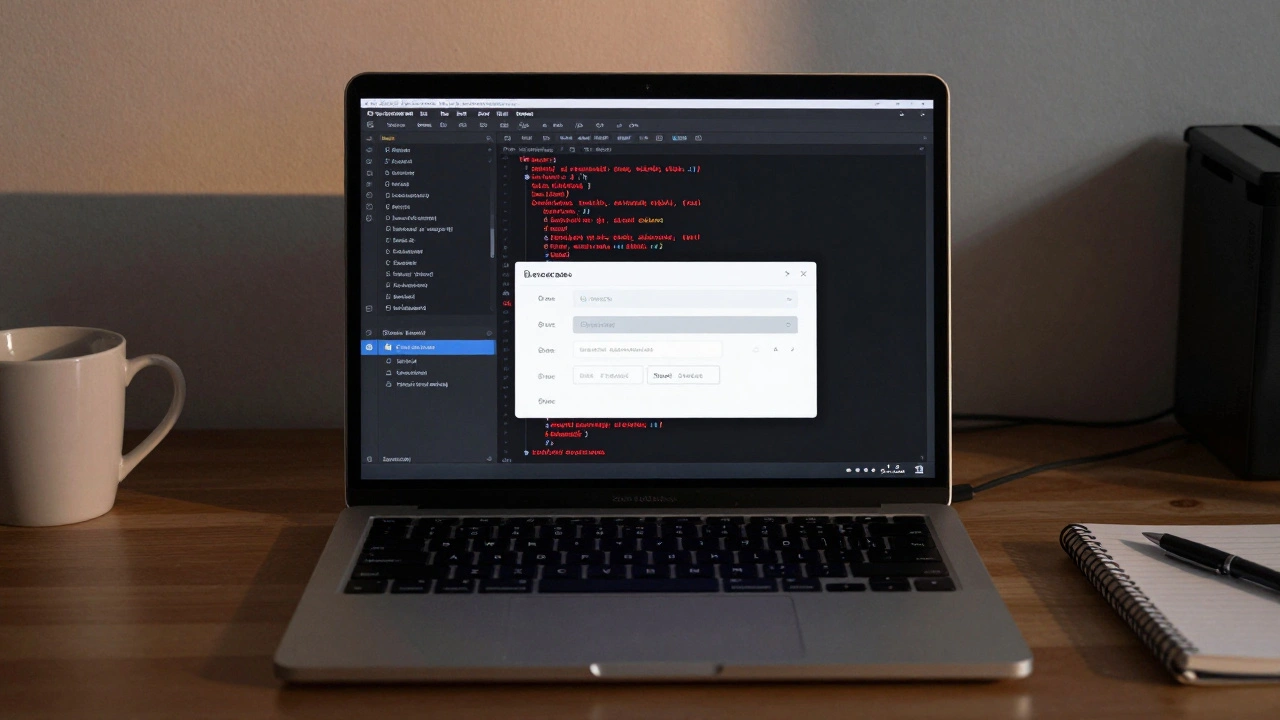
A11y Testing Tools for Vibe-Coded Frontends: AXE, Lighthouse, and Playwright
Learn how axe-core, Lighthouse, and Playwright help developers catch accessibility issues in modern, visually-focused frontends. These tools catch 30-40% of problems automatically-enough to prevent major regressions and build more inclusive apps.
Read More
Open Source in the Vibe Coding Era: How Community Models Are Shaping AI-Powered Development
Open source AI models are reshaping how developers code in 2025, offering customization, control, and community-driven innovation that closed-source tools can't match-even if they're faster. Discover the models, patterns, and real-world use cases driving the vibe coding era.
Read More