Tag: vibe coding - Page 2
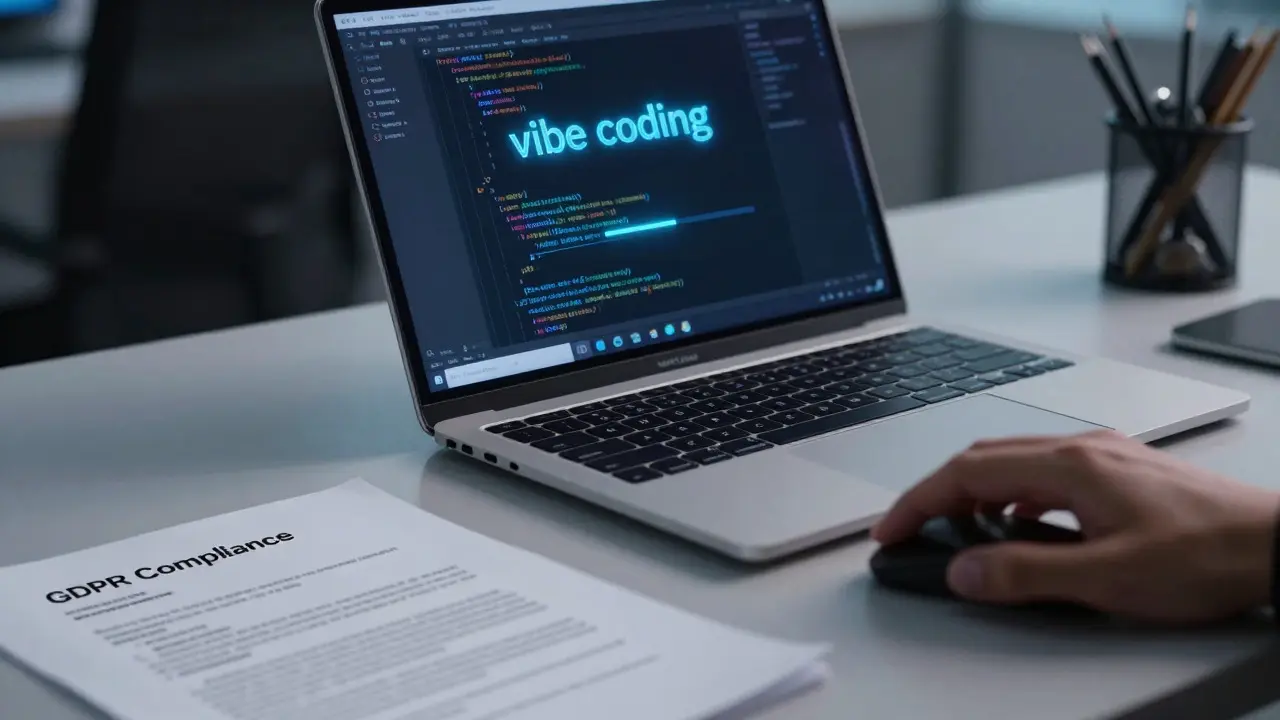
GDPR and CCPA in Vibe-Coded Systems: Data Mapping and Consent Flows
Learn how to manage GDPR and CCPA compliance in vibe-coded systems. Discover best practices for data mapping, consent flows, and avoiding common pitfalls in AI-generated applications.
Read More
Proof-of-Concept Machine Learning Apps Built with Vibe Coding: A Practical Guide
Learn how to build proof-of-concept machine learning apps using vibe coding. Discover top tools like Cursor and Lovable, step-by-step workflows, and tips to manage debugging and technical debt.
Read More
Event-Driven Architectures with Vibe Coding: Patterns and Prompt Templates
Learn how to combine vibe coding with event-driven architecture using structured prompt templates. Discover patterns like CQRS and modular prompting to reduce errors and accelerate development.
Read More
What Is Vibe Coding? The AI-Driven Shift in Software Development
Discover vibe coding, the AI-driven development trend popularized by Andrej Karpathy. Learn how natural language replaces syntax, boosts productivity by 56%, and reshapes software engineering skills.
Read More
Telemetry and Privacy in Vibe Coding Tools: What Data Leaves Your Repo
Explore how vibe coding tools handle telemetry and privacy. Learn what data leaves your repo, how OpenTelemetry works, and how to secure your workflow with Claude Code, Gemini, and more.
Read More
Service Boundaries in Vibe Coding: Preventing Tight Coupling from Prompts
Learn how to prevent tight coupling in vibe coding by defining strict service boundaries. Discover strategies like modular monoliths, ADRs, and agent-centric workflows to keep AI-generated code clean and maintainable.
Read More
Vibe Coding in Distributed Teams: Use Cases for Faster Global Shipping
Discover how vibe coding transforms distributed teams. Learn real use cases, including Netlify's savings, and strategies to ship software faster using AI.
Read More
Vibe Coding Explained: How AI Is Democratizing Software Development in 2026
Discover how vibe coding is democratizing software development in 2026. Learn who can build apps now, compare AI coding with no-code, and avoid common pitfalls.
Read More
Outcome-Driven Development: Managing Requirements in Vibe Coding Projects
Learn how to manage requirements in vibe coding projects using Outcome-Driven Development. Discover strategies for structure, security, and vertical slicing.
Read More
Code Quality, Maintainability, and Technical Debt in Vibe Coding
Explore the hidden costs of vibe coding. Learn how AI-generated code impacts maintainability and technical debt, and discover strategies to keep your software quality high.
Read More
Dependency Management in Vibe-Coded Apps: Upgrades Without Breakage
Learn how to manage dependencies in AI-generated apps. Discover strategies to prevent breakage during upgrades in vibe coding workflows.
Read More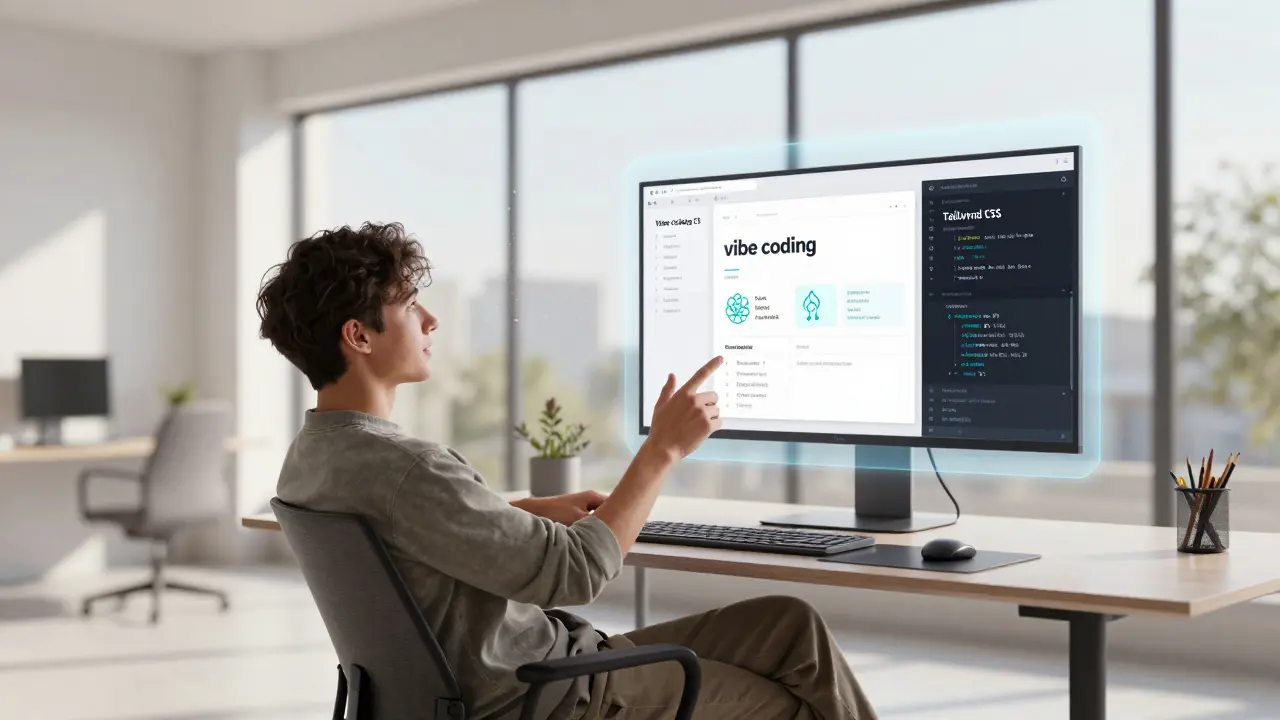
Vibe Coding Explained: How v0, Firebase Studio, and AI Studio Transform Development
Explore how vibe coding transforms software development. Learn how v0, Firebase Studio, and Google AI Studio work together to turn natural language prompts into full-stack applications quickly and efficiently.
Read More