Category: AI Regulation & Compliance - Page 2

Retention and Deletion Policies for LLM Prompts and Logs: A Practical Guide
Learn how to manage LLM prompt and log retention. We cover GDPR compliance, secure deletion mechanics, and automation strategies to protect user privacy while maintaining audit trails.
Read More
Red Teaming for Privacy: How to Stop LLM Data Leakage in 2026
Learn how to stop LLM data leakage in 2026 with privacy red teaming. Discover essential tools like Garak, compliance requirements under the EU AI Act, and step-by-step testing strategies to secure your AI.
Read More
Implementing Generative AI Responsibly: Governance, Oversight, and Compliance Strategy Guide
A practical guide to implementing responsible Generative AI governance in 2026. Learn how to navigate the EU AI Act, use NIST frameworks, and build oversight structures that protect your business without slowing innovation.
Read More
Security and Privacy Reviews for LLM Integrations in Regulated Sectors: A Governance Guide
Learn how to conduct security and privacy reviews for LLM integrations in regulated sectors. Explore private deployments, SLMs, and compliance strategies for HIPAA, GDPR, and PCI DSS.
Read More
EU AI Act for Generative AI: Risk Classes, Obligations, and 2026 Deadlines
Navigate the EU AI Act's risk classes and obligations for generative AI. Learn about GPAI compliance, transparency rules, and 2026 deadlines to avoid heavy fines.
Read More
Vendor Management for Generative AI: SLAs, Security Reviews, and Exit Plans
Learn how to manage generative AI vendors effectively. This guide covers creating robust SLAs for model drift, conducting deep security reviews for bias and data privacy, and building exit plans to avoid vendor lock-in.
Read More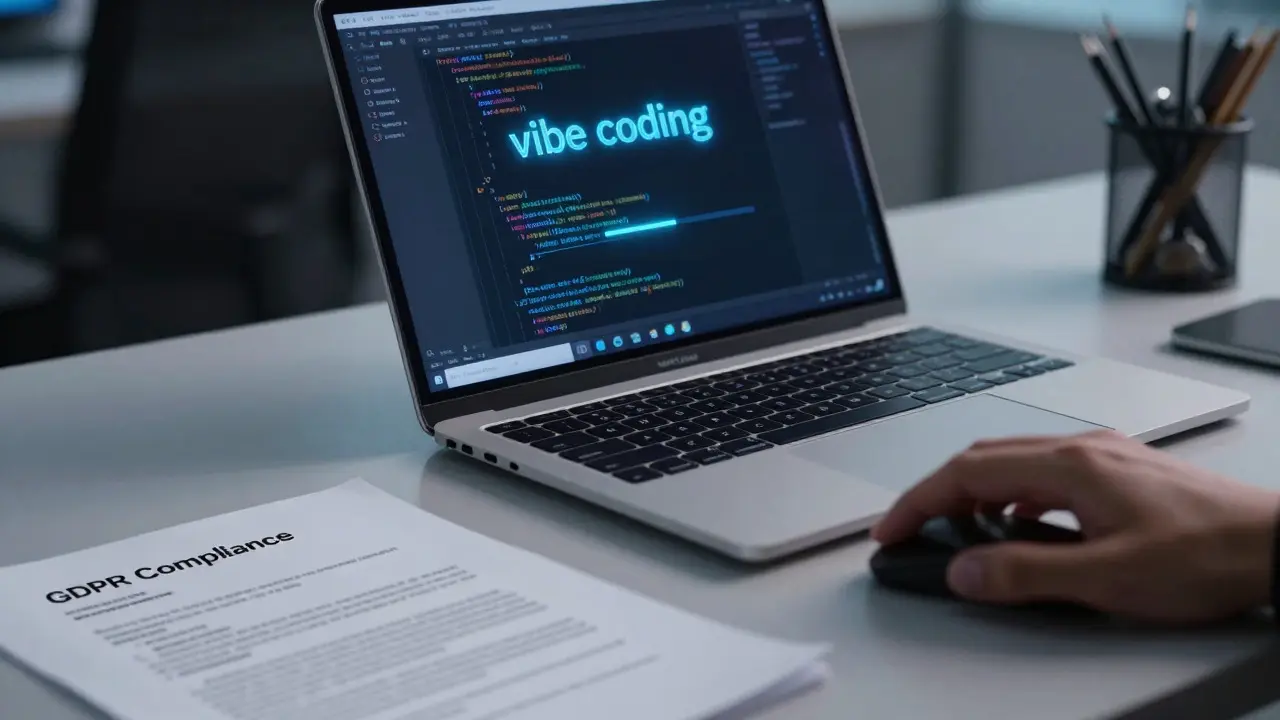
GDPR and CCPA in Vibe-Coded Systems: Data Mapping and Consent Flows
Learn how to manage GDPR and CCPA compliance in vibe-coded systems. Discover best practices for data mapping, consent flows, and avoiding common pitfalls in AI-generated applications.
Read More
How to Build Approval Workflows for AI Changes in Regulated Industries
Learn how to build robust approval workflows for AI-generated changes in regulated industries. Covering EU AI Act, SR 11-7, and best practices for human-in-the-loop governance.
Read More
Copyright and Generative AI: Navigating Fair Use, Licensing, and Data Provenance in 2026
Navigating the complex legal landscape of generative AI copyright in 2026. Explore fair use doctrines, licensing strategies, and data provenance best practices following the USCO 2025 report.
Read More
Stakeholder Review Processes for Ethical LLM Use: A Practical Guide to Bias & Fairness
Learn how stakeholder review processes mitigate bias and ensure fairness in Large Language Models. Discover practical frameworks, regulatory requirements like the EU AI Act, and steps to implement ethical AI governance effectively.
Read More
AI Code Is Guilty Until Proven Secure: A Policy Framework for Teams
Learn how to implement a 'guilty until proven secure' policy for AI-generated code. This guide covers zero-trust frameworks, NIST AI RMF alignment, and technical controls to protect your team from AI-induced vulnerabilities.
Read More
Generative AI Audits: Independent Assessments, Certifications, and Compliance Guide
Learn how independent AI audits ensure compliance with EU AI Act, NIST RMF, and ISO standards. Discover steps to prepare for generative AI certifications.
Read More