Vibe Coding: What It Is and How It’s Changing AI Development
When developers talk about vibe coding, a style of programming where developers rely on intuition, context, and AI feedback rather than strict documentation or rigid workflows. Also known as AI-assisted flow coding, it’s not about writing perfect code upfront—it’s about letting tools like GitHub Copilot and JetBrains AI Assistant guide you in real time, adjusting as you go. This isn’t magic. It’s the result of better context feeding, smarter prompts, and models that understand your intent before you finish typing.
Vibe coding doesn’t work in a vacuum. It depends on AI coding assistants, tools that analyze your codebase, comments, and editing patterns to suggest next steps. Also known as AI pair programmers, they’re the engine behind vibe coding. But even the best assistant fails if you don’t give it the right context—which is why prompt management, the practice of structuring and refining inputs to AI tools for consistent, high-quality output matters just as much as the code itself. You can’t vibe code well if your prompts are messy or your IDE doesn’t know what you’re building.
And it’s not just about writing code faster. Vibe coding changes how teams build AI systems. When you’re coding with the flow, you’re also testing, debugging, and refining models on the fly. That’s why posts here cover everything from LLM fine-tuning to multimodal pipelines and compute budgets—you can’t optimize your AI workflow if you don’t understand what’s happening under the hood. A developer who vibes with their tools still needs to know when to switch from a 7B model to a sparse MoE, or why thinking tokens improve reasoning without retraining. Vibe coding isn’t about skipping the hard parts—it’s about making them feel natural.
What you’ll find below isn’t a random collection of posts. It’s a map of the real-world systems that make vibe coding possible. From accessibility tools that catch bugs in visually-driven frontends to enterprise contracts that protect your data, these articles show you how to build responsibly while moving fast. Whether you’re tweaking prompts in your IDE, scaling LLMs on a budget, or making sure your AI doesn’t break compliance rules, you’re not just coding—you’re shaping how AI works for real people. And that’s where vibe coding becomes more than a trend. It becomes a practice.

Observability for Vibe-Coded Systems: Logging, Metrics, and Tracing Guide
Master observability for vibe-coded systems. Learn how to use logging, metrics, and tracing with OpenTelemetry to replace manual code reviews in AI-driven development.
Read More
A Beginner's Guide to Vibe Coding for Non-Technical Professionals
Vibe coding allows non-technical users to build apps using natural language. Learn how to choose platforms, craft prompts, and launch your own project in minutes.
Read More
Vibe Coding in Agencies: Delivering Client Prototypes on Compressed Timelines
Vibe coding lets agencies turn natural language prompts into working prototypes in hours-not weeks. Learn how this AI-driven approach is transforming client delivery, reducing costs, and empowering non-developers to build software.
Read More
Enterprise Integration of Vibe Coding: Embedding AI into Existing Toolchains
Enterprise vibe coding embeds AI into development workflows to cut time-to-market by 40% while maintaining security and compliance. Learn how top companies are using it to build internal tools, modernize legacy systems, and empower developers-not replace them.
Read More
Why Vibe Coding Is Democratizing Software Creation for New Builders
Vibe coding lets anyone create functional software by describing ideas in plain language, not writing code. AI generates, refines, and improves apps in seconds - democratizing creation for non-developers, artists, entrepreneurs, and learners.
Read More
Replit for Vibe Coding: Cloud Dev, Agents, and One-Click Deploys
Replit transforms coding into a seamless, AI-powered experience where you build, collaborate, and deploy apps in minutes-no setup required. Perfect for vibe coding, startups, and educators.
Read More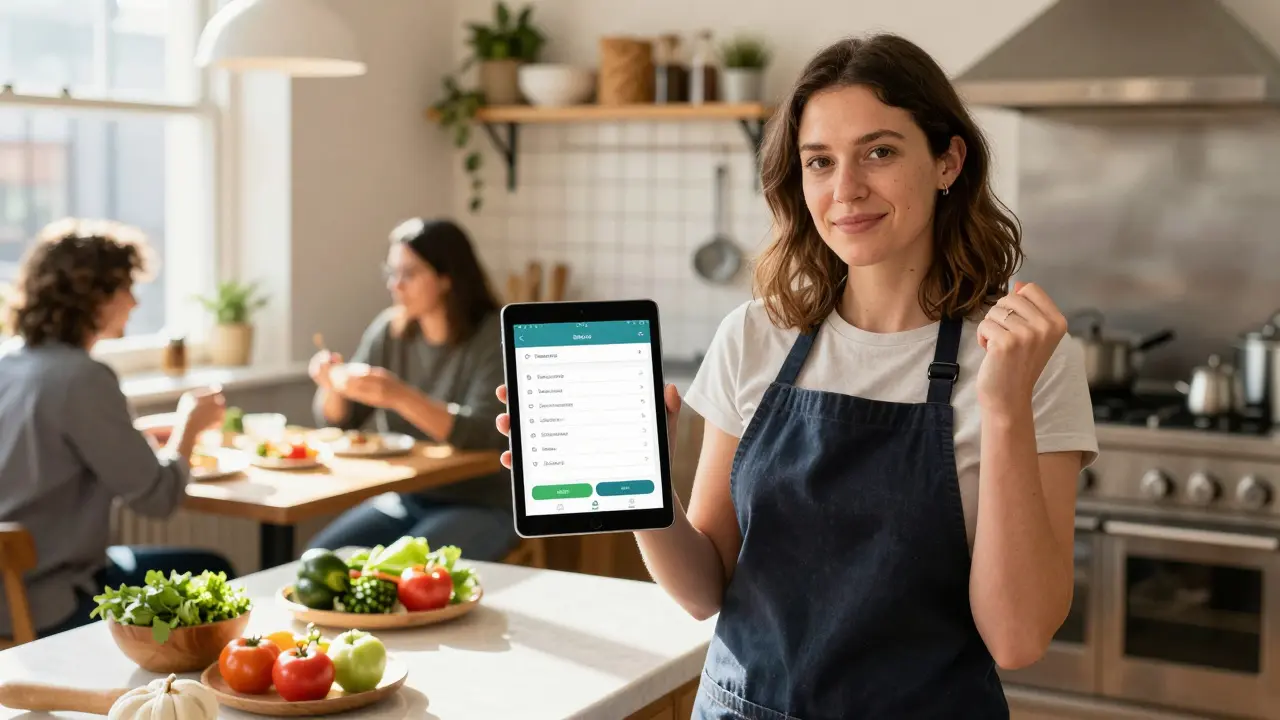
Marketing the Wins: Telling the Vibe Coding Success Story Internally
Vibe coding lets non-technical teams build real software in weeks-not months-using AI. Learn how internal stories of real wins-from restaurants to marketing teams-are changing how companies think about innovation, speed, and ownership.
Read More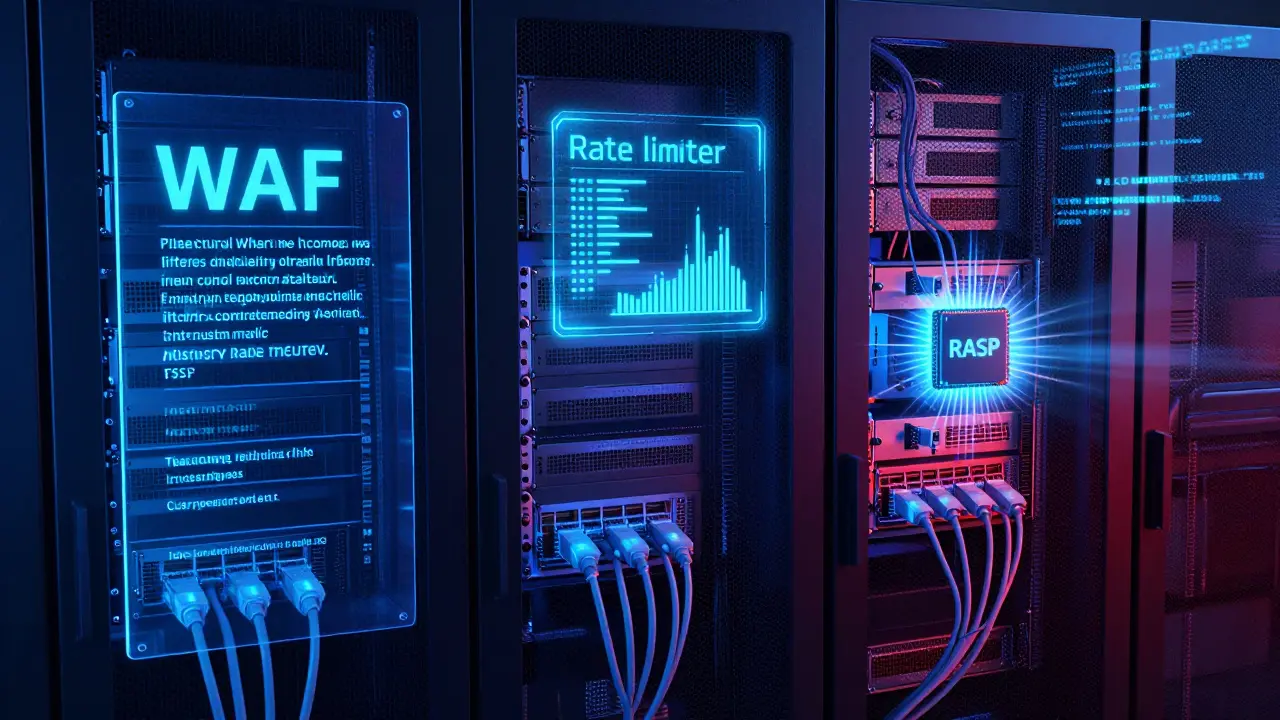
Runtime Protections for Vibe-Coded Services: WAFs, RASP, and Rate Limits
Vibe-coded apps built with AI tools are riddled with hidden security flaws. WAFs, RASP, and rate limiting are the three essential protections that stop attacks before they breach your system.
Read More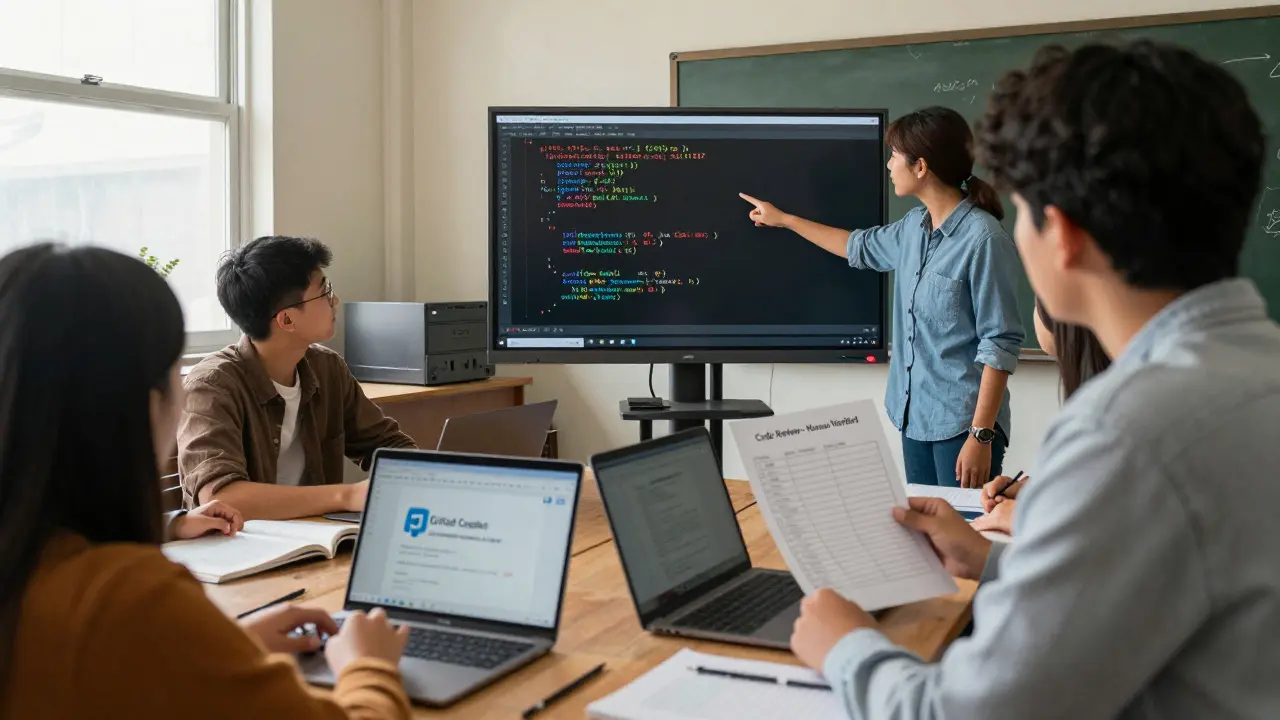
Ethical Guidelines for Democratized Vibe Coding at Scale
Vibe coding lets anyone build apps with natural language - but without ethical rules, it risks security, legal trouble, and eroded skills. Here are five proven guidelines to scale it responsibly.
Read More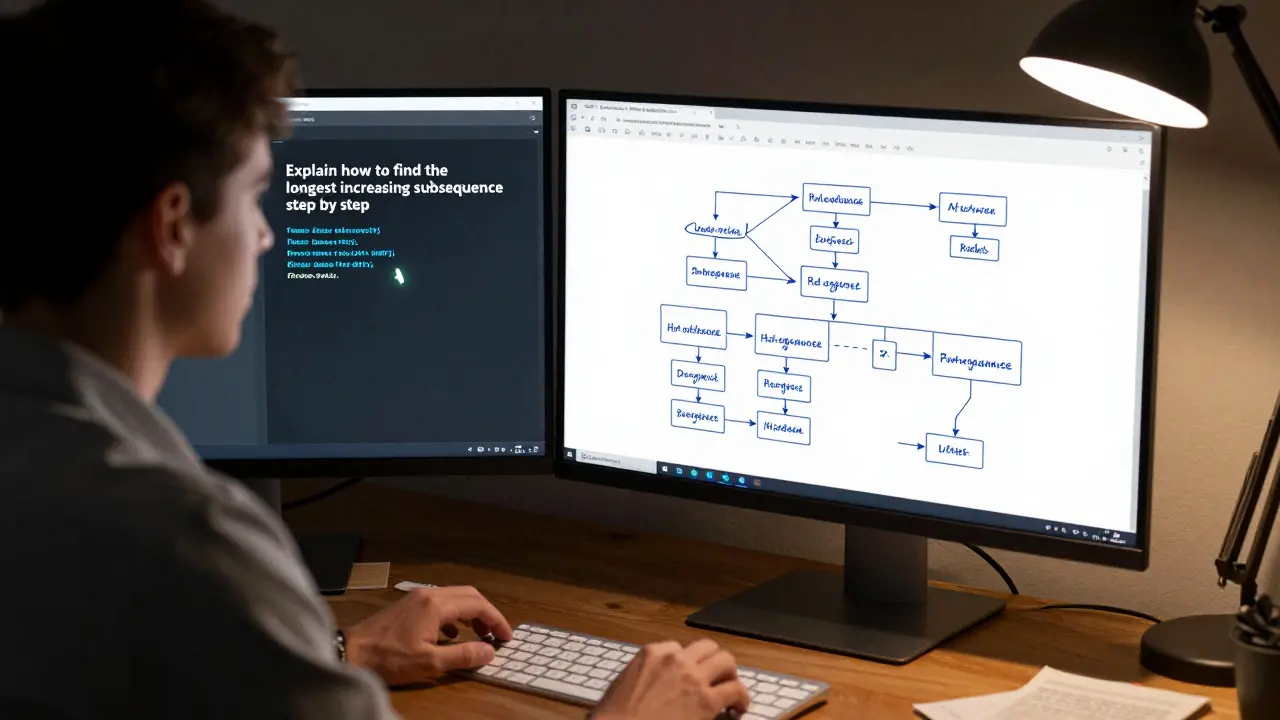
Chain-of-Thought in Vibe Coding: Why Explanations Before Code Make You a Better Developer
Chain-of-thought prompting forces AI coding assistants to explain their logic before generating code, reducing errors and building real understanding. Learn how this simple technique transforms how developers work with AI.
Read More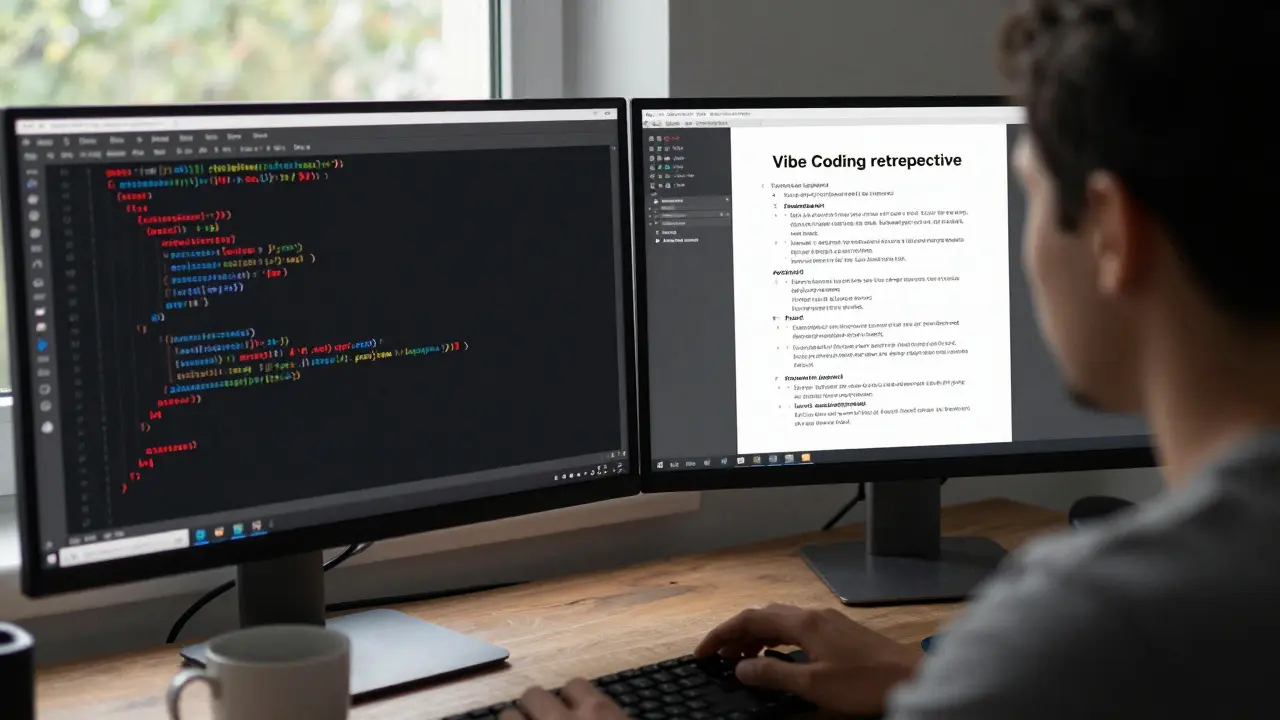
Retrospectives for Vibe Coding: How to Learn from AI Output Failures
Learn how to run effective retrospectives for Vibe Coding to turn AI code failures into lasting improvements. Discover the 7-part template, real team examples, and why this is the new standard in AI-assisted development.
Read More
Architecture-First Prompt Templates for Vibe Coding: Build Better Code Faster
Architecture-first prompt templates help developers use AI coding tools more effectively by specifying system structure, security, and requirements upfront-cutting refactoring time by 37% and improving code quality.
Read More- 1
- 2