Archive: 2026/06 - Page 2

Managed APIs vs Self-Hosted Models: Choosing the Right LLM Strategy in 2026
Decide between managed APIs and self-hosted LLMs. We compare costs, privacy, and control to help you pick the right AI strategy for your business in 2026.
Read More
Vibe Coding in Distributed Teams: Use Cases for Faster Global Shipping
Discover how vibe coding transforms distributed teams. Learn real use cases, including Netlify's savings, and strategies to ship software faster using AI.
Read More
Compliance Controls for Vibe-Coded Systems: SOC 2, ISO 27001, and More
Learn how to maintain SOC 2 and ISO 27001 compliance in the era of vibe coding. Discover technical controls, audit trail strategies, and implementation steps for securing AI-generated code.
Read More
Confidential Computing for LLM Inference: TEEs and Encryption-in-Use Explained
Learn how confidential computing and TEEs protect LLM inference with encryption-in-use. Compare AWS, Azure, and NVIDIA solutions for secure AI deployment.
Read More
Understanding Bias in Large Language Models: Sources, Types, and Risks
Explore the sources, types, and real-world risks of bias in Large Language Models. Learn how data selection, architecture, and cultural gaps create unfair AI outcomes, and discover proven mitigation strategies.
Read More
Why BLEU Scores Are Dead: The Rise of LLM-as-a-Judge Metrics in NLP
Explore why BLEU scores are failing modern AI and how LLM-as-a-Judge metrics provide a more accurate, human-aligned way to evaluate text generation quality.
Read More
How Ethical Review Boards for Generative AI Work: Process, Criteria, and Real Outcomes
Discover how Ethical Review Boards for Generative AI function, including their composition, the 7-step review process, key selection criteria, and real-world outcomes in mitigating risk and ensuring compliance.
Read More
How Training Duration and Token Counts Affect LLM Generalization
Explore how training duration and token counts impact LLM generalization. Learn why more data isn't always better and discover strategies like variable sequence length curriculum to boost performance.
Read More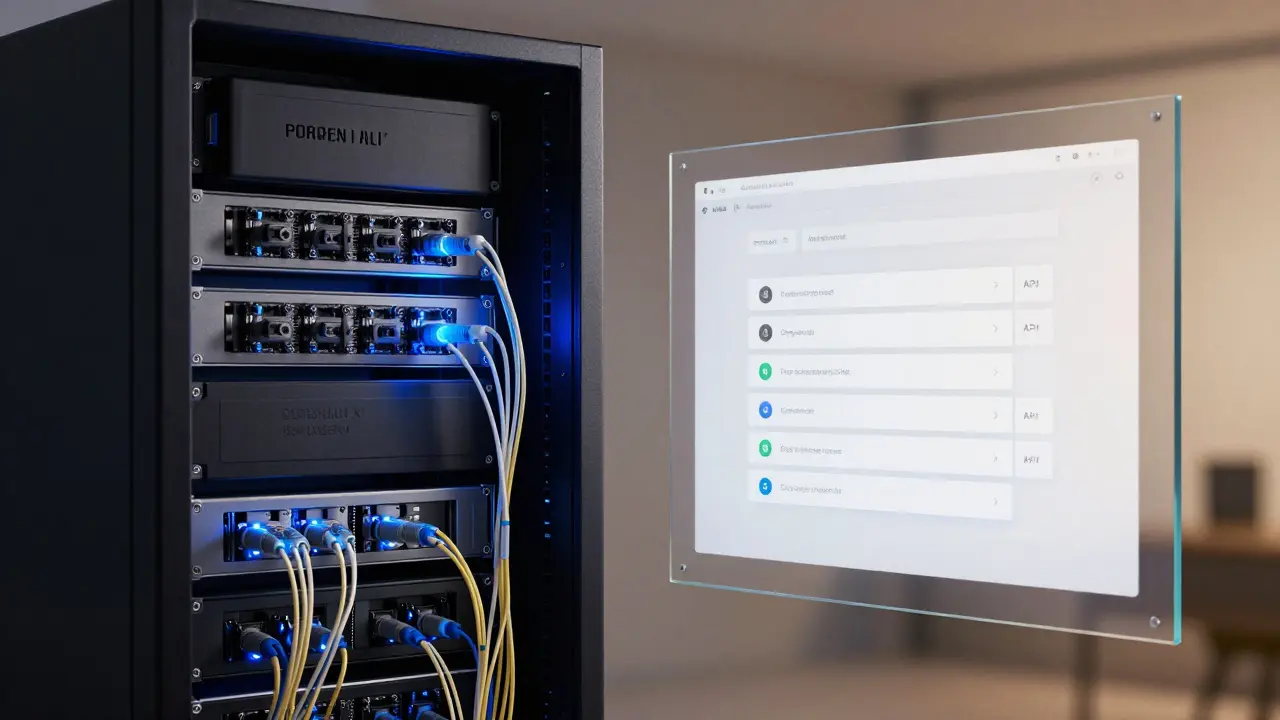
Open-Weight vs Proprietary AI: Architectural Implications for 2026
Explore the architectural trade-offs between open-weight and proprietary AI models in 2026. Learn how transparency, infrastructure costs, and security impact your system design.
Read More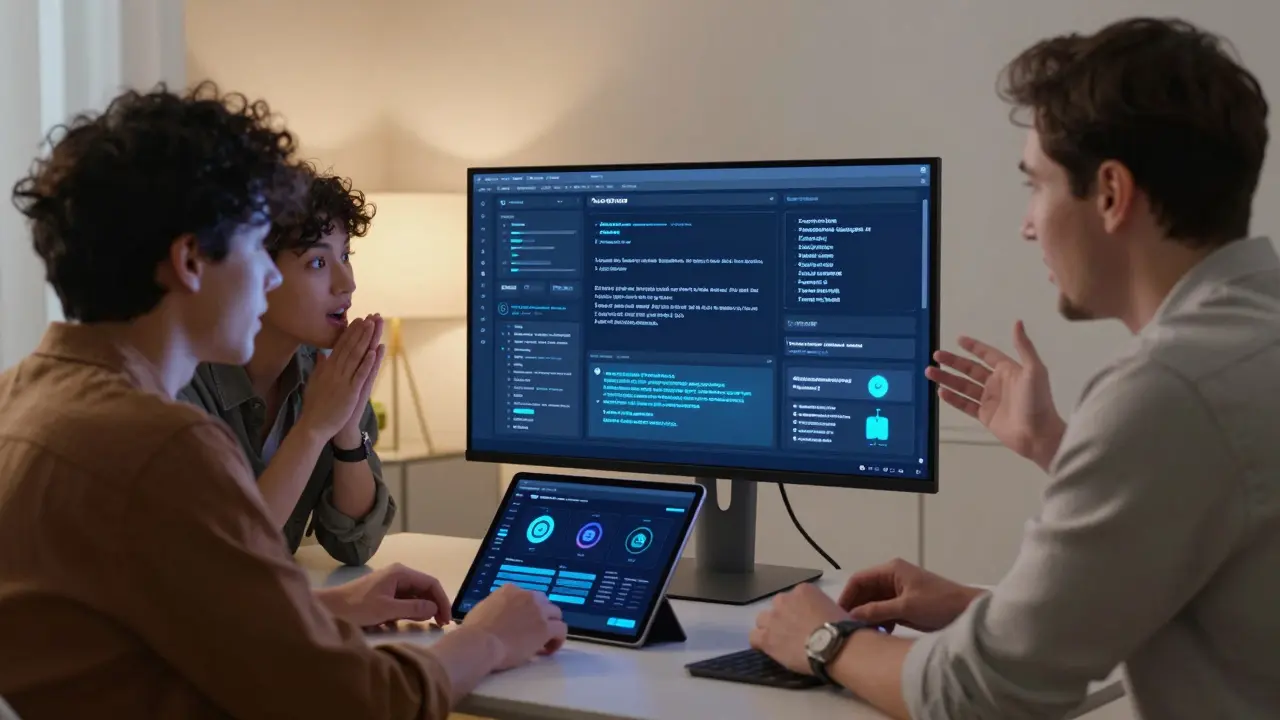
Vibe Coding Explained: How AI Is Democratizing Software Development in 2026
Discover how vibe coding is democratizing software development in 2026. Learn who can build apps now, compare AI coding with no-code, and avoid common pitfalls.
Read More
When Large Language Models Should Abstain: Designing Safe Non-Answers
Explore how Large Language Models can be designed to safely abstain from answering when uncertain. Learn about Abstention Ability, technical mechanisms like verifiers and thresholds, and why saying 'I don't know' improves AI reliability.
Read More
Outcome-Driven Development: Managing Requirements in Vibe Coding Projects
Learn how to manage requirements in vibe coding projects using Outcome-Driven Development. Discover strategies for structure, security, and vertical slicing.
Read More